
Otter Removal at Smith Mountain Lake, Va
Otter Removal at Smith Mountain Lake, VA
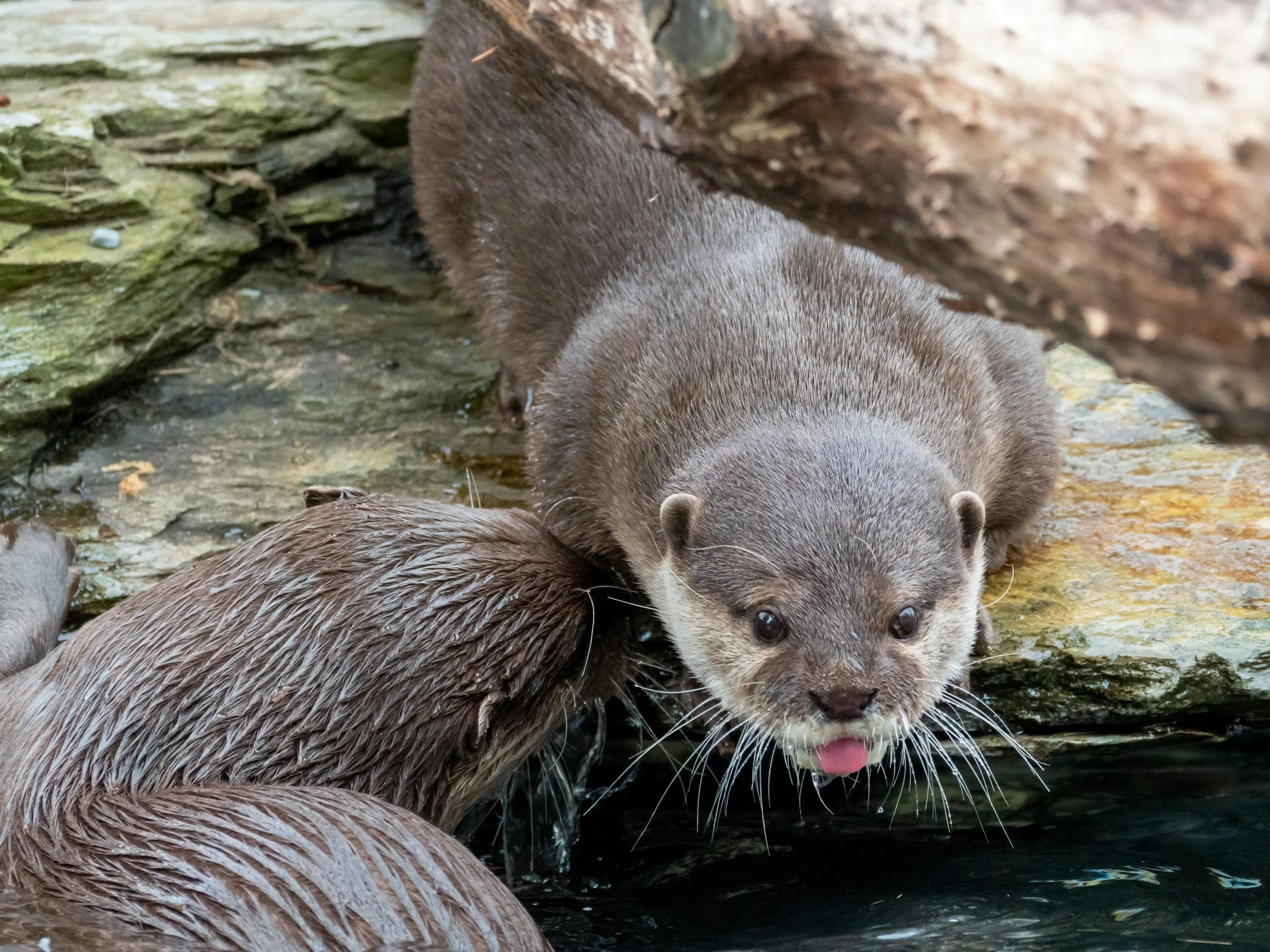
River otters are one of the most fascinating wildlife species found around Smith Mountain Lake — highly intelligent, playful, and excellent swimmers. They are adorable until they move under your floating dock and start storing dead fish under the decking. Phew! When otters begin frequenting docks, private ponds, or shoreline areas with fish populations, they create real problems for property owners. We evaluate each situation carefully and find the right solution.
Smith Mountain Lake and the surrounding tributaries provide ideal otter habitat — clean water, abundant fish, quiet coves, and rocky shoreline sections for resting and traveling. Otters are highly mobile and may travel several miles along waterways while hunting. The most conflict occurs when they decide to call your property home: setting up under a floating dock, repeatedly hitting a private pond, or regularly occupying a particular cove. In some cases, otters are simply passing through and may move on naturally — camera monitoring helps determine which situation you're dealing with before committing to removal.
Inspect shoreline areas, identify travel routes, feeding areas, nearby ponds or fish habitats, and locations where otters are resting or denning.
In some cases, otters are only temporarily passing through. Camera monitoring can confirm whether the activity is transient or established before committing to removal — saving time and cost.
When removal is necessary, methods comply with Virginia wildlife regulations and are appropriate for the shoreline environment. River otters are a protected furbearer species in Virginia — all work is done under the required licensing.
Installing protective barriers under floating docks, removing fish remains and bait from dock areas, and monitoring private ponds are the most effective deterrents after removal.
- Install protective barriers under floating dock frames
- Remove fish remains and bait scraps from dock surfaces promptly
- Monitor private ponds with stocked fish — particularly in late fall through early spring when natural food sources are reduced
- Maintain visibility along shoreline areas — otters prefer areas with good cover
Otters under your dock or hitting your private pond?
Our goal is to address the problem while protecting the natural environment that makes Smith Mountain Lake such a unique place to live. Start with an inspection.
Schedule an Inspection — $75 Contact Us