
Bat Removal at Smith Mountain Lake, Va
Bat Removal at Smith Mountain Lake, VA
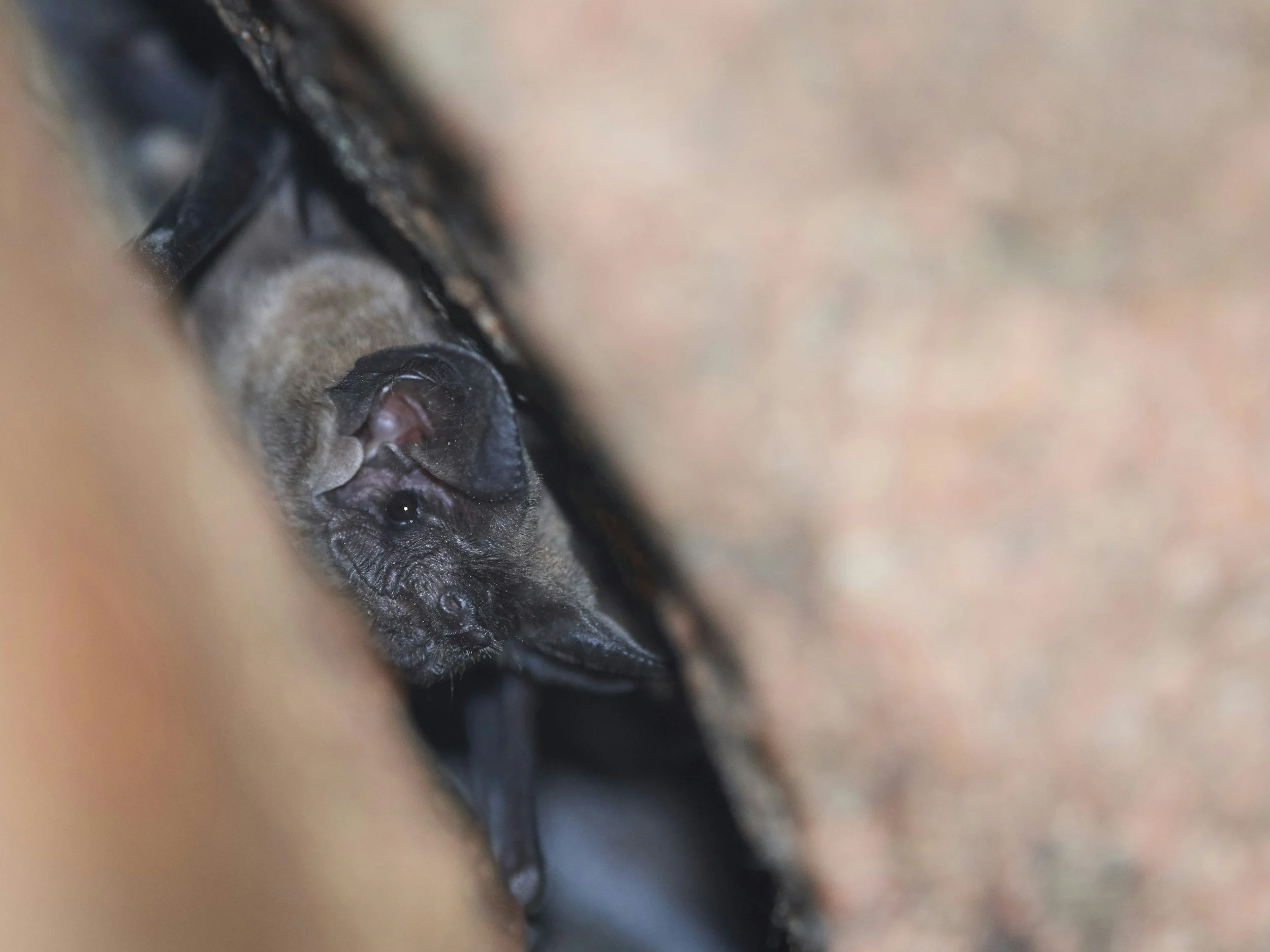
Bats are a common sight around Smith Mountain Lake, where the combination of water, forest, and abundant insects creates ideal habitat. While bats play an important role in controlling mosquito and insect populations — especially welcome on a warm lake evening — they create real problems when they establish roosts inside homes. If you're hearing faint scratching or fluttering at night, noticing bats at dusk around your roofline, or finding small droppings in attic areas, bats may have established a roost inside.
Insects gather around water in enormous numbers at dusk — and bats are naturally drawn to areas with abundant insects and open water access. Lake homes near wooded shoreline areas provide roosting opportunities similar to the caves and hollow trees bats use naturally. Attics and roofline gaps that resemble these natural habitats are actively sought. Because bats can squeeze through openings as small as ⅜ of an inch, very small construction gaps allow entry — and new construction is no exception.
Detailed inspection of entry points, roosting areas, guano accumulation, and structural vulnerabilities. Timing of exclusion work is determined based on species, season, and colony status.
All potential entry points except the primary exit are sealed — preventing bats from finding alternative routes back in while exclusion is underway.
Specialized devices installed over the exit point allow bats to leave naturally but prevent re-entry. This is how exclusion is done — no trapping, no poisons, no shortcuts.
After the bats have exited, the final entry point is permanently sealed. We confirm the colony is gone before closing.
- Inspect rooflines for small gaps — bats enter through ⅜-inch openings
- Install wildlife-rated vent covers
- Maintain chimney caps
- Repair damaged fascia boards and ensure siding seams are sealed
Noticing bat activity around your lake home?
Early intervention prevents larger colonies from developing. The inspection determines timing, scope, and the safest next steps — before any work begins.
Schedule an Inspection — $75 Contact Us