Squirrel Removal Smith Mountain Lake VA
Humane Squirrel Removal
Squirrels are one of the most common wildlife problems encountered by homeowners around Smith Mountain Lake. While these animals are a normal and important part of the local ecosystem, they can create serious problems when they enter attics, roof-lines, or wall cavities.
Animal Dispatch provides professional squirrel removal services throughout the Smith Mountain Lake area, including Moneta, Huddleston, Penhook, Westlake, and surrounding communities in Bedford and Franklin County. Our approach focuses on humane removal, careful inspection, and long-term prevention to help ensure squirrels do not return.
If you are hearing scratching or running sounds in your attic in the mornings and evenings (and between 2-3am), squirrels may have already entered the structure.
Squirrels Common Around Smith Mountain Lake
Two squirrel species are most commonly involved in attic problems around lake homes.
Eastern Grey Squirrel
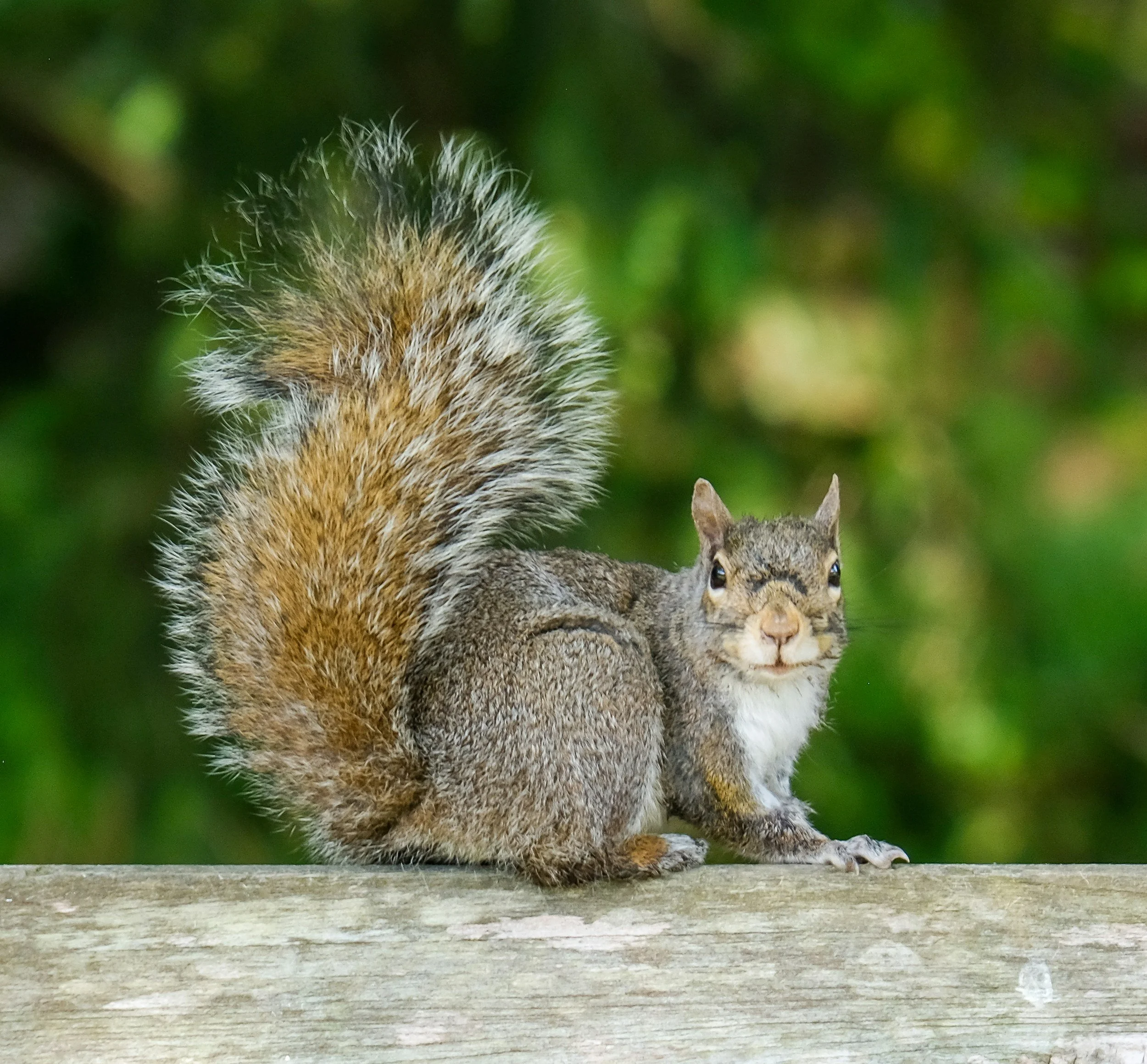
Grey squirrels are active during the day and are often seen climbing trees or running across rooftops. These squirrels frequently enter attics through roofline gaps, vents, or soffits while searching for warm nesting areas.
Southern Flying Squirrel
Flying squirrels are smaller and typically nocturnal, meaning homeowners may hear more activity at night rather than during the day. Around wooded lake properties, flying squirrels often form small attic colonies where they build nests inside insulation.
Because they are quiet and active at night, flying squirrel infestations may go unnoticed for longer periods of time. Many think they just have mice and wonder why treatments for them are not affective.
Why Lake Homes Attract Squirrels
Homes around Smith Mountain Lake often provide ideal conditions for squirrels.
Common factors include:
Mature trees and landscaping close to roofs
Quiet seasonal homes that are unoccupied at times
Attic spaces that provide warm nesting areas
Roof-lines with multiple transition points
Once squirrels gain access to the roof, they often locate small construction gaps that can be enlarged through chewing.
Common Entry Points in Lake Homes
Squirrels are excellent climbers and can squeeze through surprisingly small openings.
Common entry areas include:
Areas where shingles meet siding
Gaps along fascia boards
Attic vents or gable vents
Ridge vents along the roof peak
Gutters where drip edge was not installed or gutter guards were left incomplete. Squirrels will sit and chew until they gain access.
Flying squirrels, in particular, can glide remarkable distances and may enter homes even when siding is smooth vinyl and nearby trees are well trimmed.
Signs of Squirrels in the Attic
Squirrel activity is pretty noticeable once you know what to listen for. Homeowners commonly notice:
Running or scratching sounds
Grey squirrels are active during the day, while flying squirrels are more typically heard at night.
Chewing or gnawing sounds
Squirrels chew wood and other materials to enlarge entry holes and maintain their teeth.
Nesting materials
Leaves, twigs, insulation, and other materials may be pulled into the attic to build nests.
Visible roof activity
Seeing squirrels repeatedly running along the roof-line may indicate an attic entry point nearby.
Droppings in attic spaces
Flying squirrels often leave droppings near nesting areas.
Risks of Squirrels Inside a Home
While squirrels are small animals, their presence inside a structure can cause significant damage over time.
Potential issues include:
Chewed electrical wiring (fire risk)
Damage to insulation
Structural damage to wood or vents
Noise disturbances
Contamination from droppings and urine
Nesting material in vents (such as dryer and exhaust vents) increase fire risk
If squirrels establish nests in the attic, young animals may also be present during breeding seasons. Juveniles are curious creatures that can wonder into living spaces, wreaking havoc as everyone is caught off guard.
Our Squirrel Removal Process
Animal Dispatch focuses on resolving squirrel problems completely rather than providing temporary solutions.
Inspection
We begin with a detailed inspection of the home and roof-line to identify:
Entry points
Nesting areas
Structural vulnerabilities
Conditions attracting squirrels
Humane Removal
Removal methods may include:
One-way exclusion devices
Manual nest removal when necessary
Humane trapping in certain situations
Special care is taken during breeding seasons to ensure young squirrels are not left behind. Check out our Grey Squirrel and Flying Squirrel removal pages for more details and typically pricing.
Entry Point Repairs
After removal, the entry point must be secured to prevent future wildlife entry.
Repairs may include:
Installing heavy-duty vent covers
Reinforcing roof transitions
Repairing soffits or fascia boards
Securing vulnerable roof-line gaps
Prevention
Additional vulnerable areas of the structure may be reinforced to reduce the likelihood of future squirrel activity.
Squirrel Prevention Tips for Lake Homes
Several simple steps can help reduce the likelihood of squirrels entering a home.
These include:
Trim tree branches that extend over the roof
Inspect roof-lines for small gaps or damage
Install wildlife-rated vent covers
Repair damaged soffits or fascia boards
Avoid leaving food sources outdoors (such as bird feeders)
Maintaining these areas can significantly reduce the chance of squirrels gaining access to attic spaces.
Serving the Smith Mountain Lake Area
Animal Dispatch provides squirrel removal services throughout the Smith Mountain Lake region, including:
Moneta
Huddleston
Penhook
Westlake
Bedford County
Franklin County
If you live near Smith Mountain Lake and are experiencing squirrel activity in your attic or home, we are happy to help.
More Questions? Check out our FAQ page.
Need Squirrel Removal at Smith Mountain Lake?
If squirrels have entered your attic or home, early removal can prevent damage from becoming more serious.
Animal Dispatch can inspect the home, identify the entry point, and recommend the safest, most effective solution.
Experiencing other Wildlife issues? Check out the Wildlife page.