
Beaver Removal at Smith Mountain Lake, Va
Beaver Removal at Smith Mountain Lake, VA
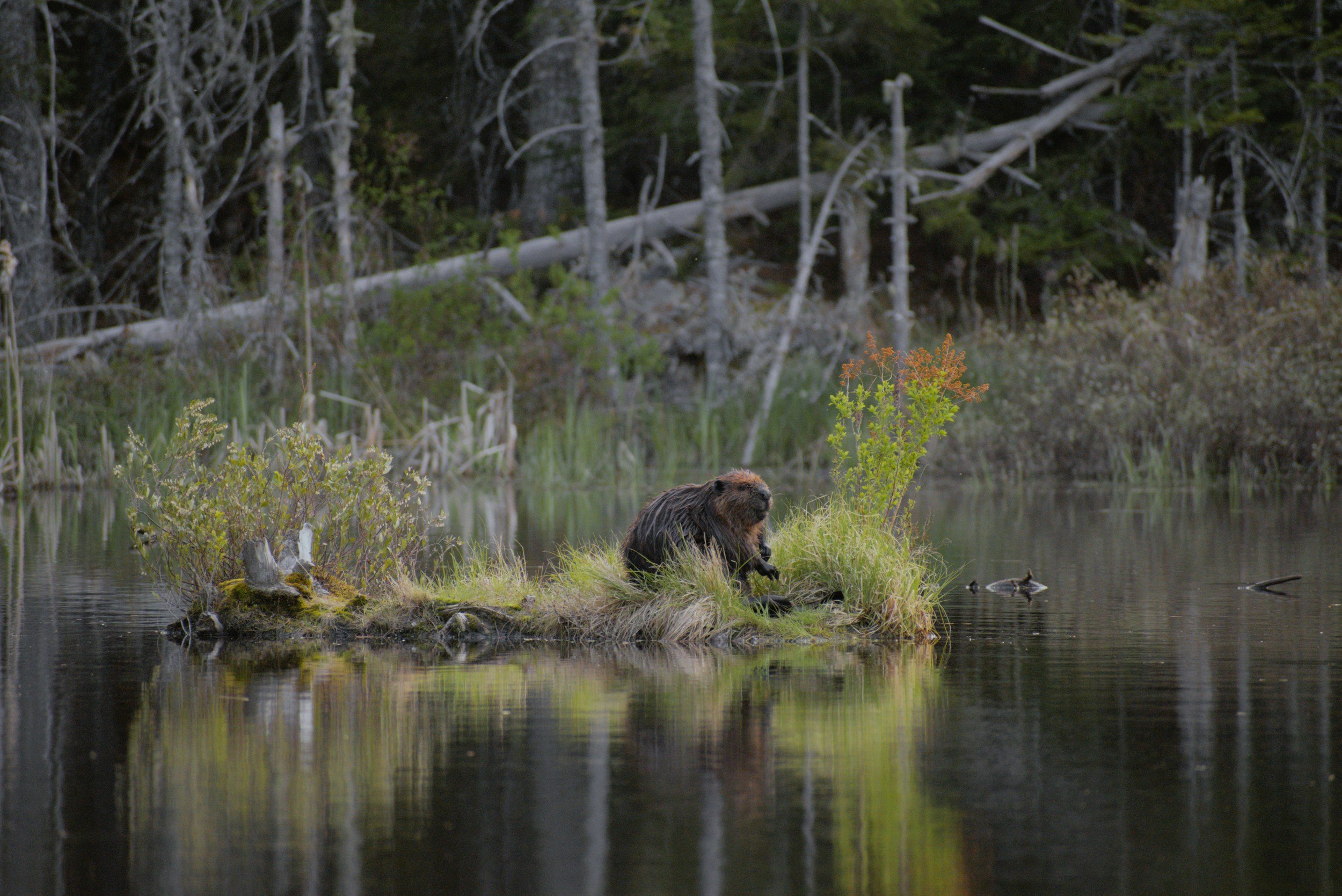
Beavers are an important part of Virginia's natural ecosystem, commonly found throughout the waterways that feed into Smith Mountain Lake. While they play a major role in shaping wetland habitats, their activity causes real conflict with lakefront property owners — from cutting shoreline trees to building bank dens in riprap to moving into floating docks. If you're noticing freshly cut trees near the shoreline, unusual water level changes, or activity around creek inlets, beavers may be active nearby.
SML beavers aren't just building dams in creeks — they're digging bank dens in riprap shoreline, setting up lodges in floating docks, and cutting the ornamental trees homeowners have spent years cultivating close to the water. We've found beavers occupying floating docks on a number of occasions. The coves, quiet inlets, and tributary creeks surrounding the lake provide ideal habitat, and once beavers establish a territory, they remain as long as food and shelter are available.
- Loss of ornamental and mature shoreline trees
- Flooding caused by creek or drainage dams
- Damage to floating docks, boat lifts, and dock lumber
- Undermining of riprap shoreline banks
- Blocked culverts and drainage systems
Evaluate where beaver activity is occurring, locate lodges or bank dens, assess extent of damage, and identify structural risks to shoreline and dock areas.
Methods selected comply with Virginia wildlife regulations and are appropriate for the shoreline environment. Camera monitoring used to confirm activity before trap placement.
Where dams are blocking drainage or causing flooding, we address the obstruction to restore proper water flow to the lake and adjacent property.
Tree trunk guards, fencing around valued trees, and monitoring of creek inlets where beavers are likely to rebuild. Early detection of new activity prevents larger problems.
- Install tree trunk guards or fencing around valued shoreline trees
- Remove small saplings near the waterline that provide easy food access
- Monitor creek inlets and culverts for early dam construction
- Check floating dock frames annually for occupation or gnaw damage
Beavers cutting trees or occupying your dock?
Early intervention prevents more significant damage. We inspect the area, explain the options, and handle the situation with respect for both the property and the surrounding ecosystem.
Schedule an Inspection — $75 Contact Us