Wildlife Removal Hardy VA

Humane Wildlife Control and Damage Repair

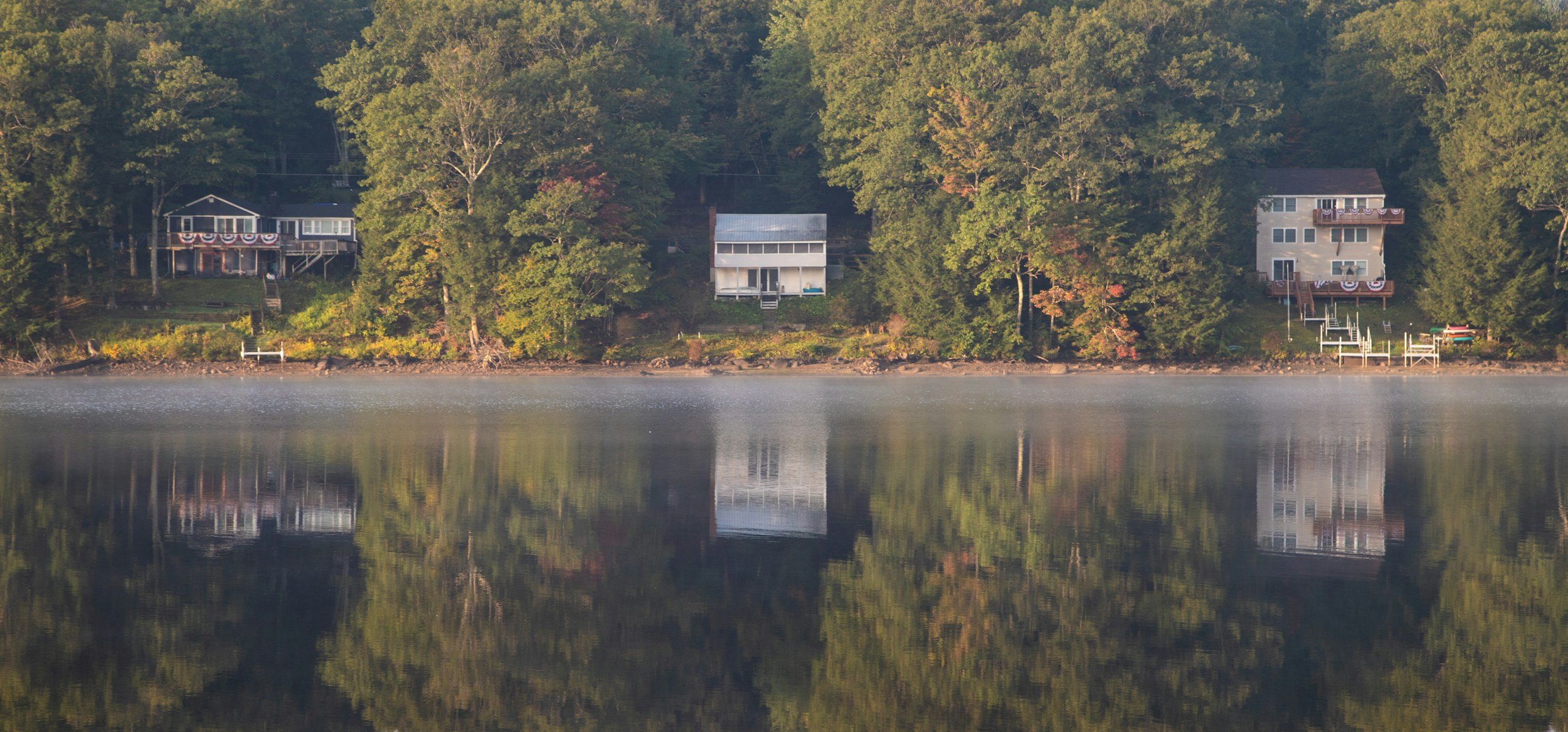
Hardy is a beautiful area, with its mix of wooded mountains and lake side charm. Around Hardy, it is common for wildlife pressure to build gradually. A squirrel may begin by testing the roof-line. A raccoon may use a quiet attic over a less-traveled side of the house. A skunk may settle beneath a deck. Along the right properties, shoreline and drainage features can add an entirely different layer of wildlife activity.

Animal Dispatch provides professional wildlife removal services in Hardy, Virginia, helping homeowners resolve wildlife issues through humane removal, careful inspection, and long-term prevention. Our focus is not just on the animal itself, but on the reason the property became vulnerable in the first place. That is how repeat problems get prevented. For more about us, check out our Home page.

If you are hearing attic noises, seeing repeated activity along the roof-line, finding burrows around the property, or noticing unusual shoreline changes near the home, an inspection is usually the best next step.

Why Wildlife Problems Are Common in Hardy

Hardy sits in one of the most wildlife-active kinds of landscapes in our service area. Properties often combine:

  • wooded lots and mature tree access

  • sloped terrain and hillside construction

  • wood siding and roofs with multiple transitions

  • large homes with seasonal residency

  • nearby coves, creeks, and drainage routes

  • lake-adjacent cover and semi-rural transitions

That combination makes Hardy especially prone to raccoon, squirrel, bat, snake, skunk, groundhog, and opossum issues. In the right locations, beavers, muskrats, and river otters may also become relevant — especially where shoreline, pond, or drainage habitat is present.

Wildlife Removal Services in Hardy

Animal Dispatch provides removal services for many of the nuisance wildlife species encountered in the Hardy region. For more details and typical prices, check out our Pricing page.

Raccoon Removal

Raccoons frequently use roof returns, soffits, vents, and chimneys to enter attics, especially on homes with easy tree access and quiet upper voids.

Squirrel Removal

Grey squirrels and flying squirrels commonly use roof-line gaps, vent systems, and fascia weaknesses to enter attic spaces.

Bat Removal

Bats may roost in attics, ridge vents, soffit gaps, and small structural openings. Proper removal requires humane exclusion and correct seasonal timing.

Snake Removal

Snakes are often encountered around crawlspaces, garages, retaining areas, rock landscaping, and rodent-prone structures.

Skunk Removal

Skunks frequently establish dens beneath decks, porches, sheds, and other low sheltered spaces around the home.

Groundhog Removal

Groundhogs dig burrows near patios, foundations, sheds, retaining edges, and garden areas where soil and cover are favorable.

Beaver Removal

Beavers may affect creeks, drainage channels, and shoreline-related water movement where cutting or damming alters conditions.

Otter Removal

River otters are sometimes encountered near coves, ponds, fish-bearing water, and quiet shoreline areas where food and cover attract them.

Muskrat Removal

Muskrats may burrow into banks, soft wet edges, and shoreline margins, contributing to erosion and instability.

Fox Removal

Red foxes and gray foxes may den beneath structures, brushy edges, or quiet low-disturbance areas where prey is abundant.

Coyote Removal

Coyotes are most often encountered around larger lots, wooded transitions, and semi-rural property edges where prey animals and unsecured attractants are present.

Opossum Removal

Opossums commonly use crawlspaces, sheds, decks, garages, and other sheltered spaces for temporary denning and nighttime scavenging.

Pigeon Removal

Pigeons often roost and nest on docks, boathouses, barns, ledges, and structural overhangs where droppings and nesting debris can build up.

Starling Removal

Starlings frequently use vents, soffits, and attic-adjacent openings, creating blockages, noise, and sanitation concerns.

What Homeowners Usually Notice First

Wildlife issues often show up through a combination of structural and property-level signs.

Common warning signs include:

  • scratching or movement in the attic

  • nighttime roof-line noises

  • chirping or fluttering near vents

  • burrow holes near decks, porches, or sheds

  • droppings in attic or crawlspace areas

  • repeated sightings along one side of the home

  • fresh cutting or burrowing near wet edges

  • fish remains or unusual shoreline wildlife activity

Our Approach to Wildlife Removal

Animal Dispatch focuses on complete problem-solving, not temporary fixes.

Inspection

We inspect the roof-line, attic, crawlspace, lower structure, shoreline or drainage areas where relevant, and the surrounding property for wildlife evidence and access points.

Humane Removal

Removal is performed using species-appropriate methods that comply with Virginia wildlife regulations.

Repair and Reinforcement

Any structural weakness being used by wildlife must be corrected to prevent the same problem from repeating.

Prevention

We also identify secondary vulnerabilities and attractants that may continue drawing wildlife to the property.

Wildlife Prevention Tips for Hardy Homes

Helpful prevention steps often include:

  • trimming limbs away from the roof

  • reinforcing vents, soffits, and roof returns

  • checking decks, sheds, and crawlspaces for access

  • securing trash and outdoor food sources

  • monitoring shoreline and drainage features for burrowing or cutting

  • reducing rodent activity around garages and outbuildings

  • inspecting boathouses, docks, and attached structures for bird use

Serving Hardy and Surrounding Communities

Animal Dispatch provides wildlife removal services throughout the Hardy region, including:

  • Moneta

  • Westlake

  • Goodview

  • Stewartsville

  • Chamblissburg

  • Bedford and Franklin County

Schedule Wildlife Removal in Hardy

Wildlife issues in Hardy often involve more than just a single animal. A proper inspection can help determine how the property is being used and what needs to be corrected to stop the issue from returning. More questions? Check out our FAQ page.