Wildlife Removal Forest VA

Humane Wildlife Control for Homes, Roof-lines, and Crawlspaces

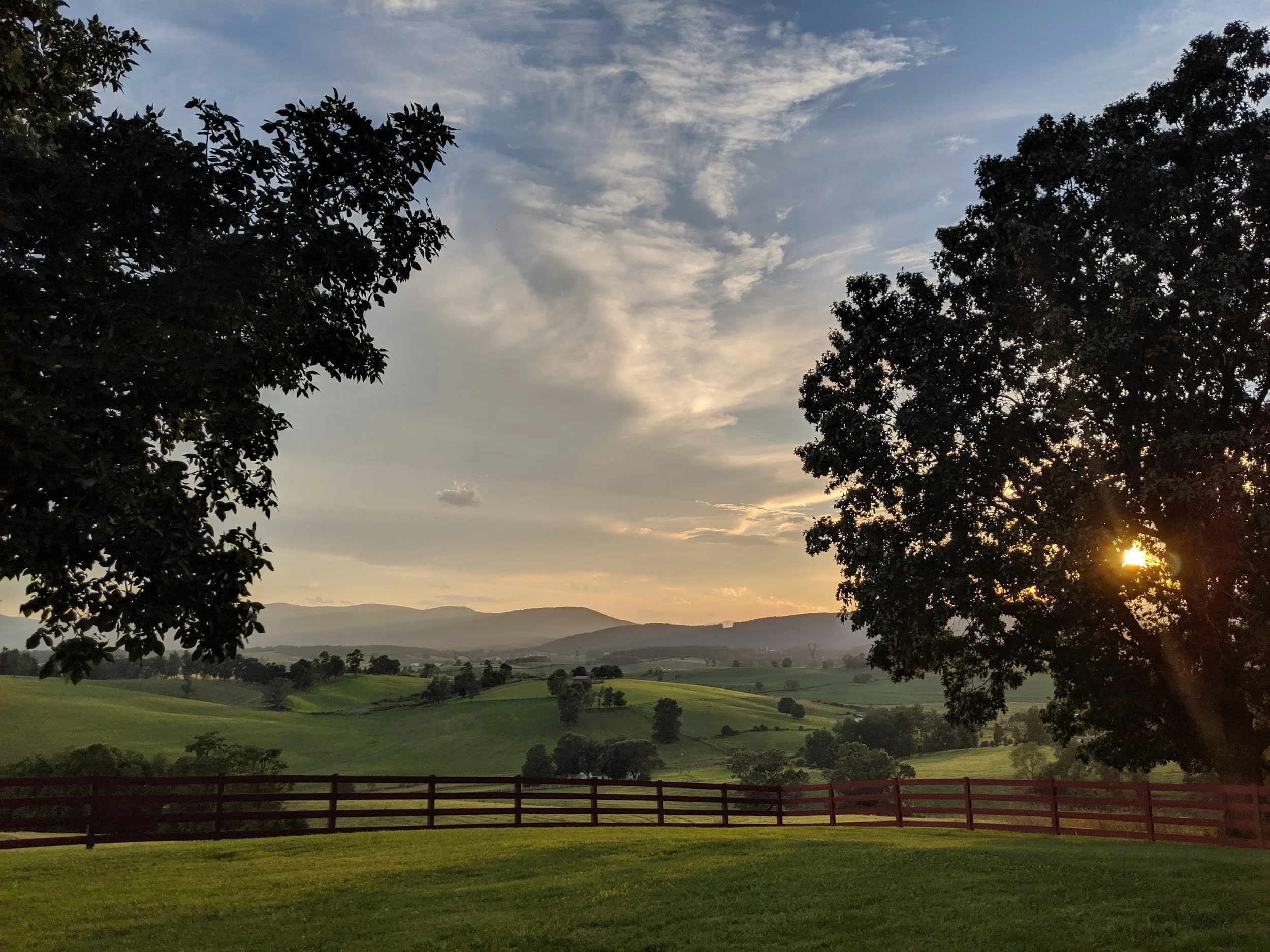
Forest is one of those places where wildlife pressure builds quietly. Large lots, wooded property lines, mature oaks and hickories, and homes tucked into tree cover create the kind of setting that animals use every day without being noticed. Most of the time that wildlife stays outside where it belongs. Problems start when an attic, crawlspace, garage, or deck becomes the next logical shelter.

Animal Dispatch provides professional wildlife removal services in Forest, Virginia, with a focus on humane removal, detailed inspection, and long-term prevention. We do not treat wildlife problems like a one-step event. We look at how the animal got there, why the structure was vulnerable, and what needs to be corrected so the issue does not repeat itself.

If you are hearing movement overhead, seeing droppings near vents, or noticing animal activity around the roof-line or beneath structures, an inspection is usually the best place to start.

Why Wildlife Problems Are So Common in Forest

Forest homes often sit exactly where wildlife wants to be: close to woods, close to food, and full of structural hiding places. Many properties have:

  • overhanging limbs

  • quiet attic voids

  • long roof-lines

  • decks with sheltered undersides

  • crawlspaces and utility penetrations

  • low-traffic rear elevations facing woods

That combination makes Forest especially prone to squirrel, raccoon, bat, skunk, and opossum issues. In neighborhoods with ponds, creeks, and drainage corridors, aquatic species can also become part of the picture.

Wildlife Removal Services in Forest

Animal Dispatch provides removal services for many of the wildlife species commonly encountered in Forest and the surrounding area.

Raccoon Removal

Raccoons often target attics, chimneys, and upper roof-line weak points. In Forest, large homes with mature tree access and quiet attic spaces make ideal den sites.

Squirrel Removal

Grey squirrels and flying squirrels are both common in the Forest area. They frequently use trees to access roofs, then exploit vents, fascia gaps, and roof returns.

Bat Removal

Bats are often found in ridge vents, soffit gaps, and small construction openings. Exclusion must be timed and installed carefully.

Snake Removal

Snakes are most often encountered in crawlspaces, garages, retaining walls, landscape beds, and around foundation edges.

Skunk Removal

Skunks commonly settle beneath decks, sheds, and porches, especially on wooded lots where insect activity and shelter are easy to find.

Groundhog Removal

Groundhogs are drawn to yards with gardens, soft digging soil, and protected spaces beneath outbuildings or patios.

Beaver Removal

Beavers may affect small creeks, pond edges, and drainage corridors where tree cutting or damming changes water movement.

Otter Removal

River otters are occasionally encountered around ponds and waterways where fish and quiet shoreline cover are present.

Muskrat Removal

Muskrats may burrow into pond banks and soft wet edges, creating erosion concerns over time.

Fox Removal

Foxes may den in brushy edges, beneath structures, or near low-pressure parts of a property where prey is abundant.

Coyote Removal

Coyotes are most often seen around larger tracts, wooded margins, and semi-rural edges where rabbits, rodents, and unsecured attractants are present.

Opossum Removal

Opossums commonly use crawlspaces, sheds, decks, and similar sheltered spaces for temporary denning.

Pigeon Removal

Pigeons may roost on barns, shop buildings, ledges, and structural overhangs where droppings and nesting debris build up.

Starling Removal

Starlings frequently use vents, soffits, and attic-adjacent openings, especially during nesting season.

How much does this cost? Check out our Pricing page for more details.

Common Signs Homeowners in Forest Notice First

In Forest, many calls start the same way: not with seeing the animal, but with noticing the symptom.

Common warning signs include:

  • daytime running or chewing in the attic

  • nighttime thumping above the ceiling

  • chirping inside vents or wall areas

  • burrow holes near decks or sheds

  • repeated animal sightings along the roof edge

  • droppings near attic access or crawlspace vents

  • odor developing near ceilings, decks, or garages

How We Approach Wildlife Removal

We start by identifying the animal and the structural weakness that allowed the problem to begin.

Inspection

We inspect the home, roof-line, lower structure, and surrounding property for entry points, active use, and attractants.

Humane Removal

Removal is performed using methods appropriate to the species, season, and structure.

Structural Correction

Once the animal is out, the vulnerability that allowed entry must be addressed.

Prevention Planning

We also look for secondary weaknesses so a squirrel, raccoon, or bat does not simply move to the next gap.

Prevention Tips for Forest Homeowners

Forest properties benefit from routine exterior checks, especially where the home meets woods or mature tree cover.

Helpful steps include:

  • trimming limbs away from the roof

  • screening and reinforcing vents

  • repairing fascia and soffit deterioration

  • securing trash and pet food

  • checking beneath decks and outbuildings

  • monitoring ponds or drainage edges for burrowing

Serving Forest and Surrounding Communities

Animal Dispatch provides wildlife removal services throughout the Forest region, including:

  • Forest

  • Goode

  • New London

  • areas near Timberlake

  • Bedford County

  • western Campbell County

If you live in or around Forest and are experiencing wildlife activity around your home, we are happy to help.

Schedule Wildlife Removal in Forest

Wildlife problems rarely resolve themselves on their own, and addressing the issue early can prevent additional damage to the structure.

Animal Dispatch can inspect your property, identify the cause of the problem, and recommend the safest solution. More questions? Check out our FAQ page.