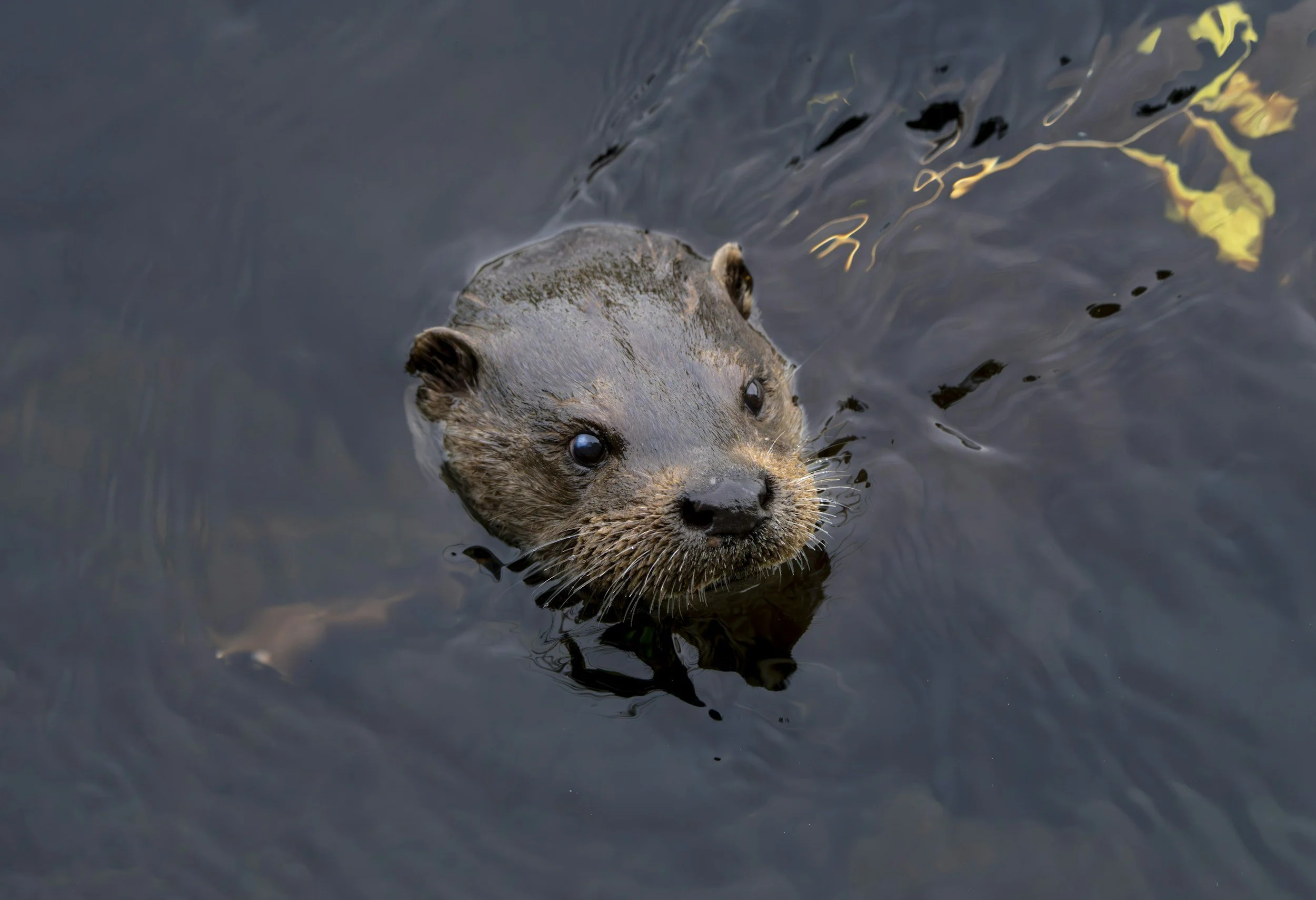
Otter Removal in Lynchburg, VA

River otter removal and pond protection for Lynchburg, Madison Heights, Amherst, Rustburg & Campbell County

River otters are present throughout the Lynchburg area, traveling along the James River, Blackwater Creek, and the tributaries and private ponds of Campbell County. Properties with stocked or ornamental ponds are the primary conflict sites — otters are highly efficient hunters and their visits to a fish pond are rarely a one-time occurrence.

Animal Dispatch handles otter removal and pond protection throughout Lynchburg.

Don't throw money at it. Throw Animal Dispatch at it.
River otters are a protected furbearer species in Virginia. All removal must be conducted under the required licensing and in compliance with Virginia wildlife regulations. Animal Dispatch holds the appropriate licensing for otter work throughout our service area.
Otter activity near Lynchburg
The James River corridor provides established otter habitat through and around Lynchburg, with Blackwater Creek and the many private and agricultural ponds of Campbell County offering additional hunting opportunities. Any property with fish — koi, bass, catfish, trout, or ornamental species — near a creek drainage or along a water corridor is a potential otter target. Otters are wide-ranging and may travel several miles of waterway in a night. Camera monitoring at the pond edge helps confirm activity and determines whether the otter is an established visitor or transient.
Common conflict situations near Lynchburg Ornamental and stocked pond fish loss along the James River corridor, Blackwater Creek tributary activity, private ponds hit on repeated visits.
Signs of Otter Activity
Partially eaten fish near pond or dockOtters carry fish out of the water to eat on land and leave remains on banks, dock surfaces, and nearby rocks — unlike herons, which swallow fish whole. A reliable early indicator.
Rapid unexplained fish lossA stocked pond losing fish faster than normal overnight. A family group of otters can deplete a small to moderate pond in a matter of days.
Floating dock damageOtters sometimes access and store fish inside floating dock structures — damaging boards, foam, and components to do so. Fish debris, droppings covering surfaces, and structural damage to the dock can all indicate active occupation.
Bank densOtters excavate dens in creek banks, pond banks, and lake shorelines — or take over abandoned beaver dens. Entrance holes at or just below the waterline with disturbed soil and otter scat nearby indicate an active bank den.
Slide marks and tracksSmooth compacted paths on sloped or muddy banks where otters repeatedly enter the water. Five-toed webbed tracks with a tail drag mark in fresh impressions near the water's edge.
Distinctive scatDark, twisted droppings containing fish scales, bones, and shell fragments with a strong fishy odor. Typically left on logs, rocks, dock surfaces, or elevated spots near the water — often in large quantities on dock decking.
Our Otter Removal Process
1
Inspection — $75

We inspect shoreline areas, identify travel routes, feeding areas, bank dens, and locations where otters are accessing or damaging dock structures. We assess whether the situation involves an established resident or a transient animal.

2
Activity Evaluation

When necessary, our camera monitoring can confirm if the activity is transient before committing to trap sets. A passing otter may move on naturally — an otter with an active bank den or regular dock occupation is a more established situation.

3
Responsible Removal

When removal is appropriate, humane methods comply with Virginia wildlife regulations for protected furbearers. All otter work is conducted under the required licensing.

4
Prevention Measures

Protective barriers under floating dock frames, removal of fish remains and bait from dock surfaces, physical exclusion for ornamental ponds, and monitoring for bank den re-establishment after removal.

Frequently Asked Questions
Otters leave fairly distinctive evidence. Look for partially eaten fish left near the pond edge or on nearby rocks — otters carry fish out of the water to eat on land, unlike herons which swallow fish whole. Slide marks on muddy banks, five-toed webbed tracks near the water's edge, and twisted dark scat containing fish bones and scales are reliable indicators. Camera monitoring at the pond overnight is the most definitive confirmation method, and we recommend it before committing to removal.
Yes. River otters are classified as a regulated furbearer species in Virginia. Removal must be conducted under the appropriate licensing and in compliance with Virginia wildlife regulations. This is not a DIY situation — improper removal of a protected furbearer carries legal consequences. Animal Dispatch holds the required licensing for all otter work in our service area.
Possibly not — otters are highly mobile and a single animal passing through may move on naturally if the pond isn't consistently productive. However, a family group that has found a reliable food source will return repeatedly until the pond is depleted or they are removed. An otter that has established a bank den or regular dock occupation is a more committed resident. Camera monitoring helps distinguish a passing otter from an established visitor before removal decisions are made.
For ornamental or koi ponds, physical exclusion — netting, underwater fencing, or motion-activated deterrents — can reduce otter access while the animal moves on. For larger stocked ponds, physical exclusion is typically impractical, and removal combined with subsequent protective measures is the more effective path. We assess the specific situation during the inspection and advise on the right approach for your pond type and size.
Reducing Otter Activity at Your Property
  • Remove fish remains and bait scraps from dock surfaces promptly — they attract and reward return visits
  • Install protective barriers under floating dock frames to prevent access and structural damage
  • Check creek banks, pond banks, and riprap shoreline for otter den entrances annually — particularly after beaver activity in the area
  • For ornamental or koi ponds, physical netting or fencing can reduce otter access
  • Monitor stocked ponds with camera — particularly in late fall through early spring when natural food sources shift
  • Early detection prevents significant fish loss and dock damage — don't wait until the pond is depleted or the dock is compromised to investigate
Also Dealing With Another Animal in Lynchburg?

Otter problem in Lynchburg?

Fish loss from a private pond, dock damage, or a bank den on the shoreline — any of these is the right time to call. Early evaluation determines whether the otter is established or passing through, which changes the approach significantly.

Schedule an Inspection — $75 Contact Us