
Raccoon Removal In
Lynchburg, Va
Raccoon Removal in Lynchburg, VA
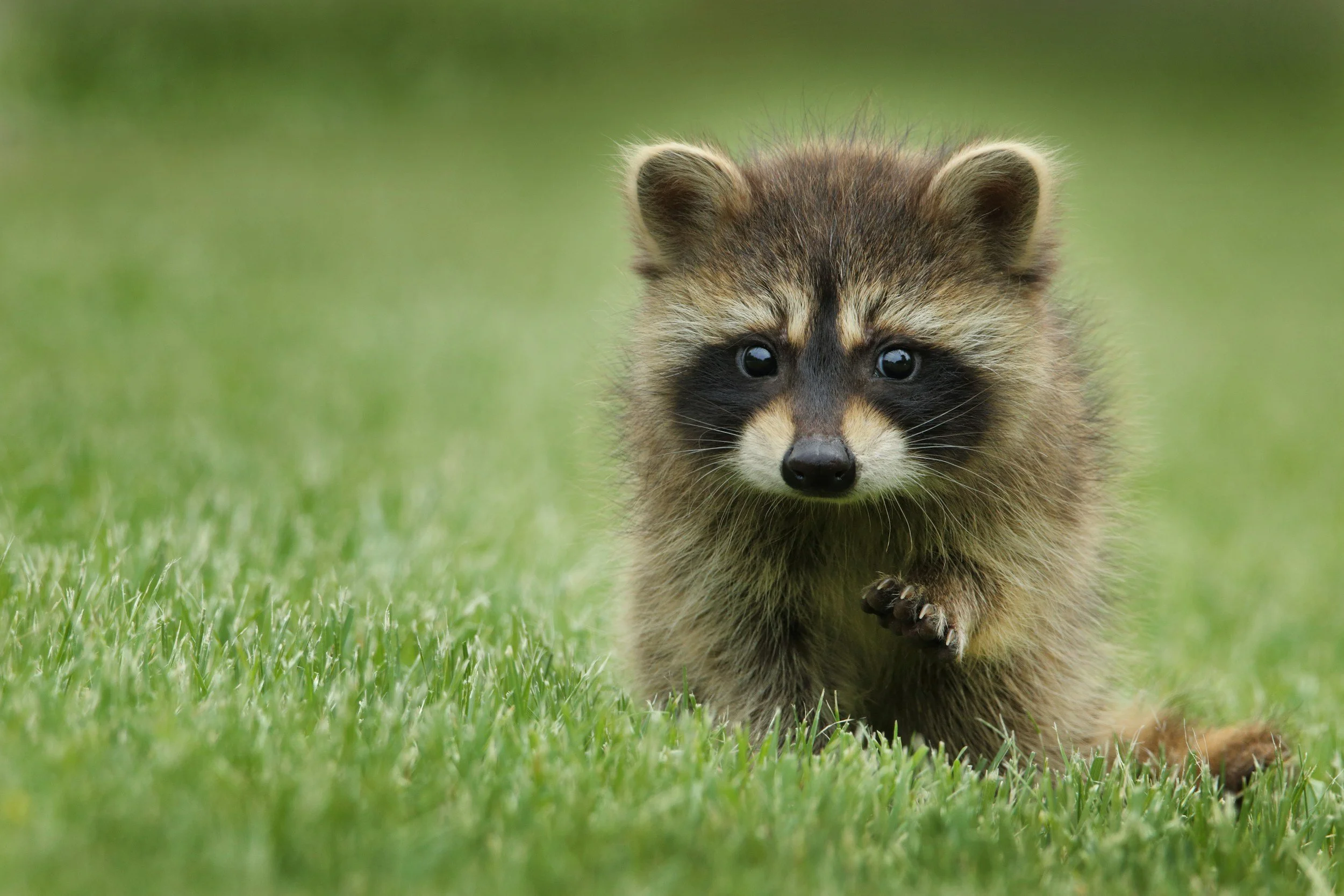
Raccoon problems in Lynchburg usually do not stay small for long. A single raccoon on the roof can turn into torn soffits, contaminated insulation, loud nighttime activity, and a mother denning in the attic with young. In a city like Lynchburg — with older homes, wooded neighborhoods, mature trees, and plenty of easy roof access — raccoons find no shortage of places to move in.
We do not believe in vague guesses or scare tactics. We believe in identifying exactly how the raccoons are using the structure, showing you what we find, and explaining what actually needs to be done to solve the problem. If you are hearing heavy movement overhead at night, seeing raccoons around the roofline, or noticing damage near soffits, vents, or shingles, a raccoon may already be using part of the home.
Lynchburg has the exact mix of conditions raccoons like best: wooded cover, water access from the James River corridor, food sources, and homes with vulnerable upper roofline areas. Mature trees close to homes, older soffits and fascia, neighborhoods near wooded slopes and creek corridors, and quiet attic spaces with little daytime disturbance — raccoons can move from tree to roof to attic without much difficulty. Once they find a weak point, they are strong enough to rip, pry, or widen their way in. Early action is key to keep a small repair from becoming a much larger one.
- Heavy movement in the attic at night — like a heavy-footed adult walking overhead, very distinctive
- Thumping or dragging sounds overhead — raccoons walk, they don't scurry
- Visible roofline damage — soffit panels hanging loose, bent vents, torn soffits
- Opening about the size of a grapefruit along the roofline — that's a raccoon
- Strong odor in upper parts of the home — raccoons are latrine animals and use one spot consistently
- Disturbed insulation visible during attic inspection
- Footprints visible along their preferred paths
Identify where raccoons are getting in, how long they've likely been there, and whether young may be present. We inspect for active entry points, damage patterns, tracks, droppings, staining, attic disturbance, and additional weak points. This is where we separate assumptions from facts.
Once we understand how raccoons are using the structure, we choose the removal method that fits. Trapping, direct removal strategies, one-way exclusion in the right situations, and special handling when young are present. The goal is to remove raccoons without creating a worse problem behind the scenes.
If the opening is left as-is, another raccoon will often find it again. We address the damaged area and identify other vulnerable spots that may also need attention. Removal alone is not enough.
Raccoon work should not end with "they're gone for now." We want the house protected the next time any wildlife comes looking. The real issue is usually a weak roof area, old exterior materials, or a structure that has already proven easy to use.
- Trim branches away from the roof — especially in neighborhoods with large oaks and maples
- Repair loose or rotted soffits and fascia before something finds the gap
- Reinforce vulnerable vent areas with wildlife-rated covers
- Keep garbage secured with locking lids
- Avoid leaving pet food outside overnight — this includes birdseed
- Inspect older roof transitions and problem corners each season
- Pay attention to repeated sightings around the same part of the house
Hearing something in your Lynchburg attic?
Raccoon problems rarely improve with time. The longer they stay, the more opportunity they have to damage the home, contaminate attic spaces, and turn one entry point into a larger repair.
Schedule an Inspection — $75 Contact Us