Bat Removal in Lynchburg, VA

NWCOA certified bat exclusion for Lynchburg, Forest, Timberlake & surrounding communities

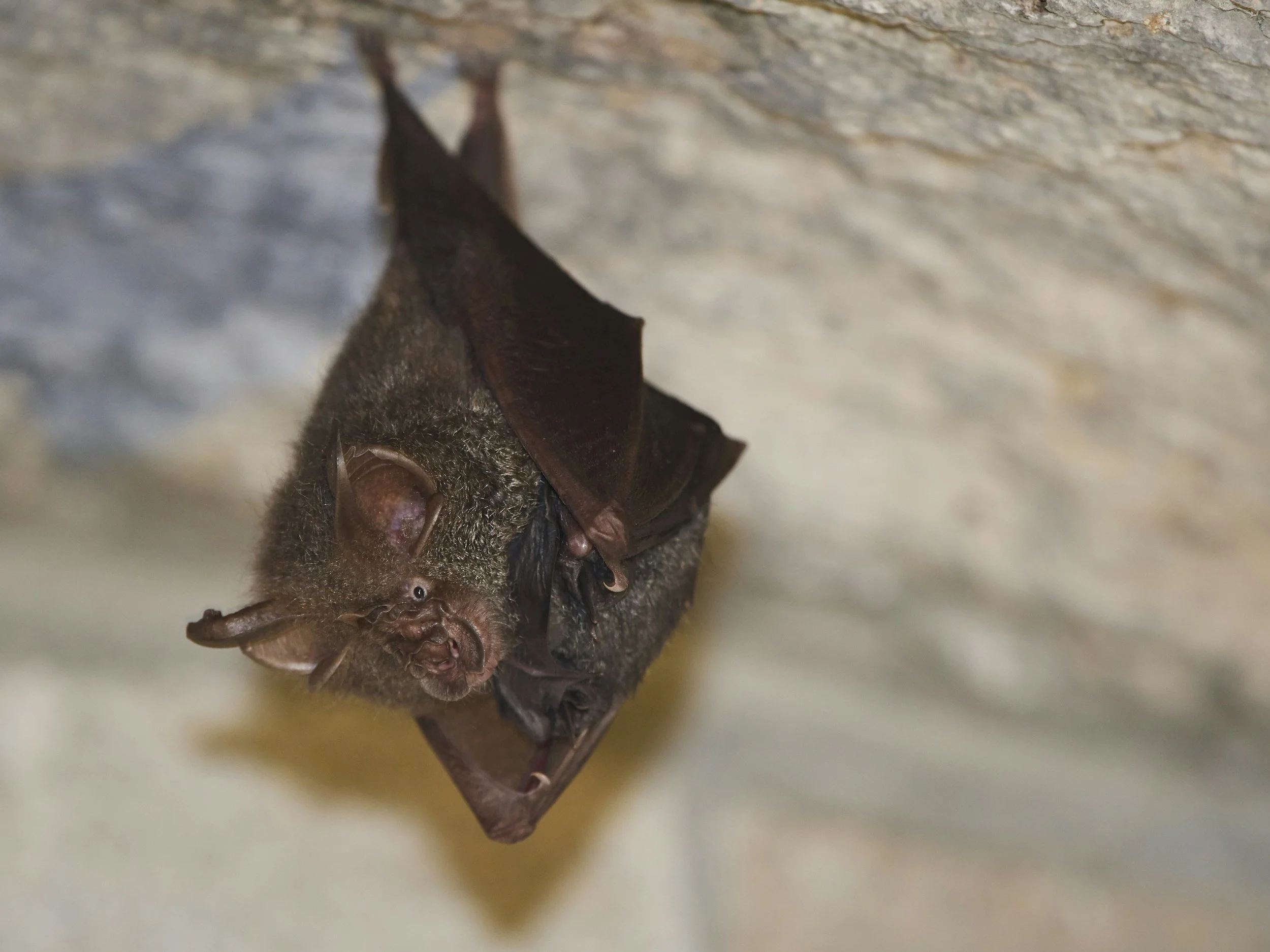
Bats are common throughout the Lynchburg area, where wooded hillsides, creek corridors, and the James River provide abundant insect habitat — and where older homes provide abundant entry points. The combination of aging soffits, ridge vents with gaps, and construction openings in homes throughout established Lynchburg neighborhoods creates exactly the kind of quiet, protected space bats seek for roosting.

If you are hearing faint scratching or fluttering at night, noticing bats exiting the roofline at dusk, or finding small dark droppings in the attic or near vents, bats may be using part of the home as a roost colony.

NWCOA Bat Standards Certified Devon Davis holds NWCOA Bat Standards Certification — one of the few wildlife operators in South-Central Virginia with this credential. We do bat exclusion by the book because we know what happens when it's done wrong: bats trapped inside, young dying in walls, and a problem that comes back.
Don't throw money at it. Throw Animal Dispatch at it.
Why Lynchburg homes are particularly vulnerable to bats
Older homes throughout Lynchburg — especially in established neighborhoods with mature tree canopy — develop roofline gaps, deteriorated soffits, and failing ridge vent seals over time. Bats need only a ⅜-inch opening to enter, meaning construction gaps that would never be noticed by a homeowner are perfectly accessible to a bat colony. Homes near the James River and its tributaries see even higher bat pressure due to the abundance of insects near moving water. New construction is no exception — improperly sealed soffits and ridge caps during the build phase often create entry points that aren't discovered until a colony is established.
Timing is not optional — it is the entire job Virginia bat colonies follow a strict seasonal cycle. Young bats are present and unable to fly from approximately late May through mid-August. Sealing entry points during this period traps pups inside — both inhumane and a source of additional dead-animal odor and pest problems. Some bat species also overwinter in Virginia structures. Disturbing hibernating colonies in winter is both harmful and ineffective. The right time to perform exclusion is during the appropriate seasonal windows, and confirming that window is one of the most important parts of what the inspection determines.
Signs of Bats in Your Lynchburg Home
Bats exiting at duskWatching the roofline at sunset and seeing bats emerge from a specific point — a soffit gap, ridge vent, or siding seam — is the clearest confirmation of a roost colony.
Faint scratching at nightBats are quiet but not silent — movement within roofing cavities or along soffits creates a soft scratching sound, most noticeable in the hour before and after sunset.
Guano accumulationSmall dark droppings beneath roost sites — inside attic spaces, on attic floor insulation, or outside on walkways below vent openings. Bat guano crumbles easily and has a distinctive odor in quantity.
Dark staining around openingsBody oils from repeated entry and exit leave dark brown smear marks around small gaps — particularly around attic vents, soffits, and fascia-to-siding transitions.
Our Bat Exclusion Process
1
Inspection — $75

Full roofline and attic inspection to locate entry points, assess guano accumulation and colony size, identify all secondary openings, and determine the appropriate seasonal timing for exclusion work.

2
Seal Secondary Openings

Every potential entry point except the primary roost exit is sealed first. This prevents bats from relocating to a different part of the structure when the exclusion device is installed.

3
One-Way Exclusion Devices

Specialized devices installed over the primary exit point allow bats to leave naturally but prevent re-entry. This is how bat exclusion is properly done — no trapping, no poison, no shortcuts.

4
Final Seal

After bats have vacated, the remaining exit is permanently sealed. We confirm the colony is gone before closing. The roofline is left properly protected — not just patched.

Frequently Asked Questions — Bat Removal in Lynchburg
If there are bats inside the structure when you seal it, you trap them — and trapped bats create serious secondary problems. Proper exclusion requires identifying the active exit, sealing all other points first, installing one-way devices, and then sealing the final exit only after the colony has left. Getting that sequence right is what the process is built around.
Yes. During the summer pup season — roughly late May through mid-August in Virginia — young bats are present and flightless. Exclusion cannot be safely performed during this window without trapping pups inside. We determine exactly where in the seasonal cycle you are during the inspection and schedule accordingly.
After installation of the exclusion devices, bats typically leave within a few nights. Devices remain in place for a minimum period to confirm the colony has vacated, then the final seal is performed. Total time from device installation to final close varies — we explain the expected timeline at the inspection.
Guano cleanup is a separate service and is worth discussing during the inspection. In large accumulations, guano creates real sanitation and odor concerns that don't go away just because the bats are gone. We assess the extent during the inspection and can advise on the best approach.
Prevention Tips
  • Inspect rooflines for small gaps — bats enter through ⅜-inch openings
  • Install wildlife-rated vent covers on all attic and crawlspace vents
  • Maintain chimney caps
  • Repair deteriorated soffits and fascia boards before they separate
  • Watch for bats at the roofline at sunset — early discovery prevents larger colonies

Seeing bats around your Lynchburg home?

Early intervention prevents a small roost from becoming a large colony. The inspection determines timing, scope, and the right next steps — before any work begins.

Schedule an Inspection — $75 Contact Us
Also Dealing With Another Animal in Lynchburg?