Wildlife Removal Blairs VA

Humane Wildlife Control

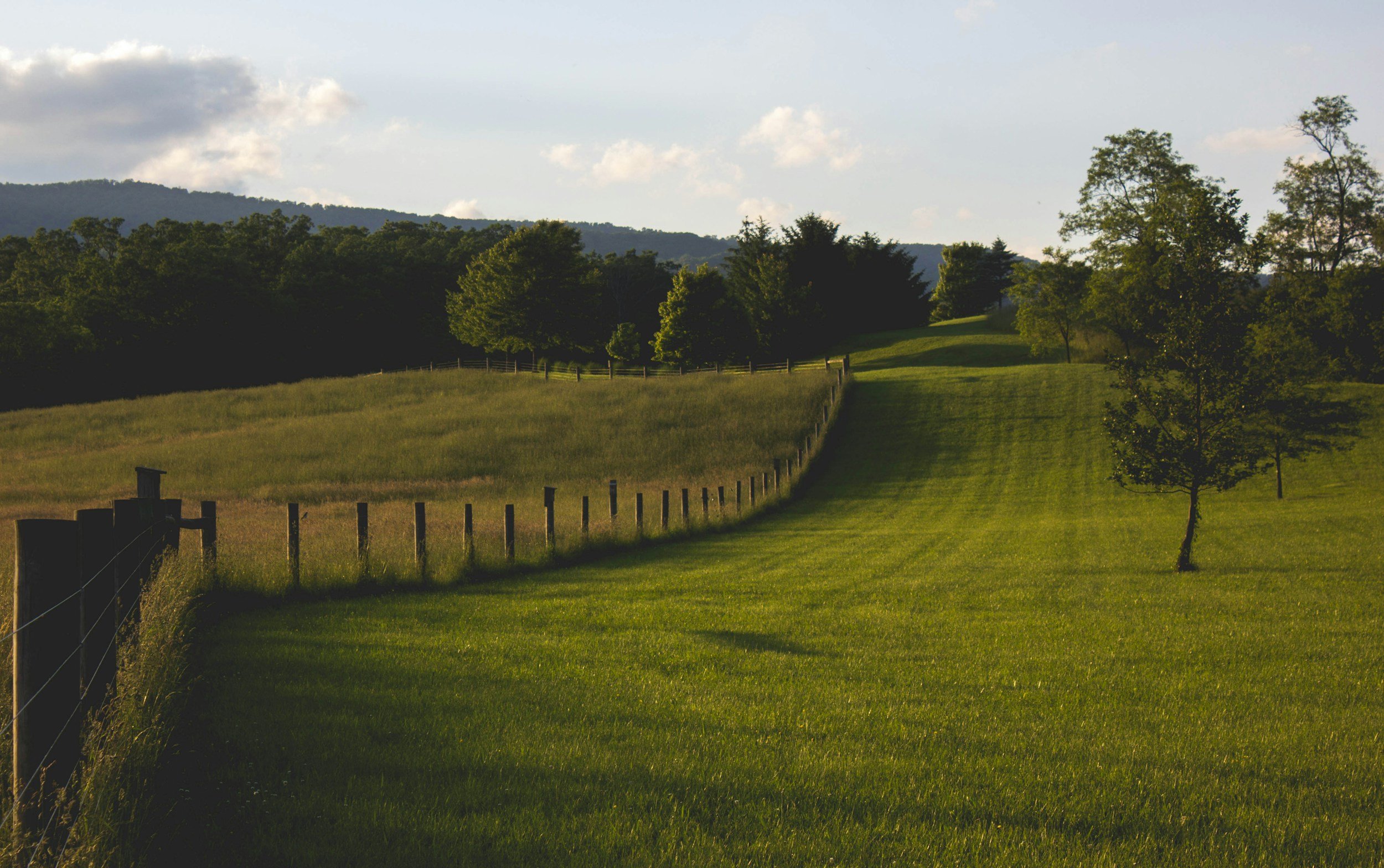
Wildlife problems in Blairs tend to happen where residential properties meet open land, wooded edges, farm ground, and older structures. In this kind of landscape, the problem may start in an attic, beneath a porch, inside a crawlspace, or around a shed. Animals do not need much encouragement when a property already offers shelter, food, and low-disturbance access points.

Animal Dispatch provides professional wildlife removal services in Blairs, Virginia, helping homeowners and property owners solve wildlife issues through humane removal, careful inspection, and long-term prevention. We focus on identifying the animal involved, understanding how it is using the structure or property, and correcting the weak points that allowed the issue to begin. Find out more about us by visiting our home page.

If you are hearing movement overhead, seeing repeated activity near one side of a building, finding burrows around structures, or noticing droppings near vents or outbuildings, an inspection is usually the best place to start.

Why Wildlife Problems Are Common in Blairs

Blairs sits on the line of suburb and rural country. Common contributing conditions include:

  • wooded property lines

  • open yards and pasture edges

  • older homes with aging exteriors

  • crawlspaces and low foundation gaps

  • detached garages, barns, and sheds

  • bird feeders, gardens, and outdoor food sources

  • creeks, drainage routes, and wet low areas

That combination makes raccoons, squirrels, bats, skunks, groundhogs, snakes, and opossums especially common. On certain properties, foxes, coyotes, beavers, muskrats, and even otters may also become relevant depending on habitat and water access.

Wildlife Removal Services in Blairs

Animal Dispatch provides removal services for many of the wildlife species commonly encountered in the Blairs region.

Raccoon Removal

Raccoons frequently use roof returns, soffits, vents, and chimneys to access attics, especially where nearby trees or outbuildings make climbing easy.

Squirrel Removal

Grey squirrels and flying squirrels commonly enter attics through small roofline openings, vent systems, and fascia weaknesses.

Bat Removal

Bats may roost in attics, ridge vents, barns, and other small structural gaps. Humane exclusion is the proper method of removal.

Snake Removal

Snakes are often encountered in crawlspaces, garages, wood piles, feed areas, and foundation edges where prey and cover are available.

Skunk Removal

Skunks frequently establish dens beneath porches, decks, sheds, and other sheltered low areas around structures.

Groundhog Removal

Groundhogs dig burrows near foundations, sheds, garden areas, patios, and soft edges around the property.

Beaver Removal

Beavers may affect creeks, drainage routes, and low-water areas where cutting or damming changes water movement.

Otter Removal

River otters are sometimes encountered near ponds, creeks, and fish-bearing water features where cover and food are available.

Muskrat Removal

Muskrats may burrow into pond banks, drainage margins, and soft wet edges, contributing to erosion and structural instability.

Fox Removal

Red foxes and gray foxes may den beneath structures, brush piles, or field-edge cover where rodents and other prey are abundant.

Coyote Removal

Coyotes are most often encountered around larger lots, wooded transitions, and semi-rural properties where prey animals and unsecured attractants are present.

Opossum Removal

Opossums commonly use crawlspaces, sheds, decks, garages, and other sheltered spaces for temporary denning and nighttime scavenging.

Pigeon Removal

Pigeons often roost and nest on barns, outbuildings, ledges, and structural overhangs where droppings and nesting debris accumulate.

Starling Removal

Starlings frequently use vents, soffits, and attic-adjacent openings, creating blockages, noise, and sanitation concerns.

What Homeowners Usually Notice First

Once you know what to look for, the signs can be quite clear.

Common warning signs include:

  • scratching or movement in the attic

  • chirping or fluttering near vent openings

  • burrow holes near porches, sheds, or foundations

  • droppings in garages, attics, or crawlspaces

  • repeated nighttime sightings near one side of the property

  • torn soffits, vent covers, or roof-line weak points

  • fresh cutting or soft ground near creeks, pond edges, or drainage routes

Our Approach to Wildlife Removal

Animal Dispatch focuses on fixing the full problem, not just responding to the immediate symptom. For more details and typical pricing, check out our Pricing page.

Inspection

We inspect the home, outbuildings, roof-line, crawlspace, lower structure, and surrounding property to identify wildlife evidence, access points, and attractants.

Humane Removal

Removal is performed using species-appropriate methods that comply with Virginia wildlife regulations.

Repair and Reinforcement

If wildlife is using a structural gap or weak point, that vulnerability must be corrected to prevent future use.

Prevention

We also identify nearby factors that may continue drawing wildlife back to the property.

Wildlife Prevention Tips for Blairs Homes

Helpful prevention steps often include:

  • trimming limbs away from the roof

  • reinforcing soffits, vents, and fascia

  • securing crawlspace openings

  • protecting trash, feed, and pet food

  • removing brush piles near structures

  • monitoring wet edges and drainage areas for burrowing or damming

  • reducing rodent activity around barns, garages, and outbuildings

Serving Blairs and Surrounding Communities

Animal Dispatch provides wildlife removal services throughout the Blairs region, including:

  • Blairs

  • Pittsylvania County

  • Mt. Hermon

  • Dry Fork

  • Keeling

  • Ringgold

Schedule Wildlife Removal in Blairs

Wildlife issues often start small and become more expensive later. A proper inspection can help identify what species is involved, where the vulnerability is, and what needs to be done to solve the problem correctly. More questions? Check out our FAQ page.