
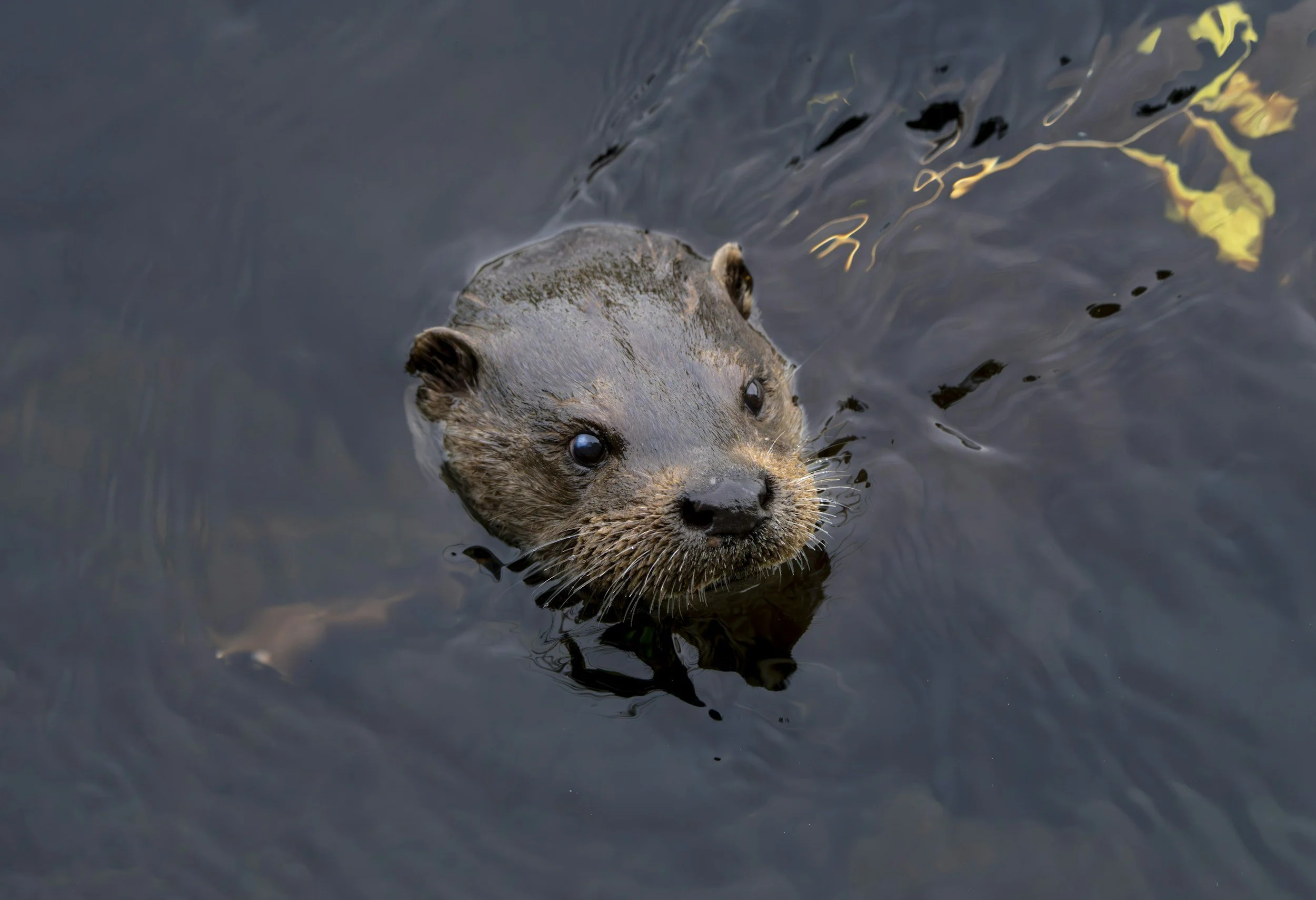
Otter Removal in Forest, VA
River otters are present throughout Bedford County, traveling along Otter Creek, the James River tributaries near Big Island, and the private ponds and drainage features across Forest and surrounding areas. Any residential or rural property with a stocked or ornamental pond near a water corridor is a potential otter target.
Animal Dispatch handles otter removal and pond protection throughout Forest and Bedford County.
Otter Creek — aptly named — and the broader Bedford County watershed give otters established travel routes throughout the area. Forest properties that incorporate private ponds, ornamental water features, or drainage ponds near wooded edges and creek drainages face consistent otter pressure. Koi ponds, ornamental fish ponds, and stocked bass ponds are all vulnerable. Otters are primarily crepuscular and nocturnal, visiting ponds between dusk and dawn. Camera monitoring at the pond edge is the most reliable way to confirm otter activity before making removal decisions.
We inspect shoreline areas, identify travel routes, feeding areas, bank dens, and locations where otters are accessing or damaging dock structures. We assess whether the situation involves an established resident or a transient animal.
When necessary, our camera monitoring can confirm if the activity is transient before committing to trap sets. A passing otter may move on naturally — an otter with an active bank den or regular dock occupation is a more established situation.
When removal is appropriate, humane methods comply with Virginia wildlife regulations for protected furbearers. All otter work is conducted under the required licensing.
Protective barriers under floating dock frames, removal of fish remains and bait from dock surfaces, physical exclusion for ornamental ponds, and monitoring for bank den re-establishment after removal.
- Remove fish remains and bait scraps from dock surfaces promptly — they attract and reward return visits
- Install protective barriers under floating dock frames to prevent access and structural damage
- Check creek banks, pond banks, and riprap shoreline for otter den entrances annually — particularly after beaver activity in the area
- For ornamental or koi ponds, physical netting or fencing can reduce otter access
- Monitor stocked ponds with camera — particularly in late fall through early spring when natural food sources shift
- Early detection prevents significant fish loss and dock damage — don't wait until the pond is depleted or the dock is compromised to investigate
Otter problem in Forest?
Fish loss from a private pond, dock damage, or a bank den on the shoreline — any of these is the right time to call. Early evaluation determines whether the otter is established or passing through, which changes the approach significantly.
Schedule an Inspection — $75 Contact Us