
Groundhog Removal In Danville, Va
Groundhog Removal in Danville, VA
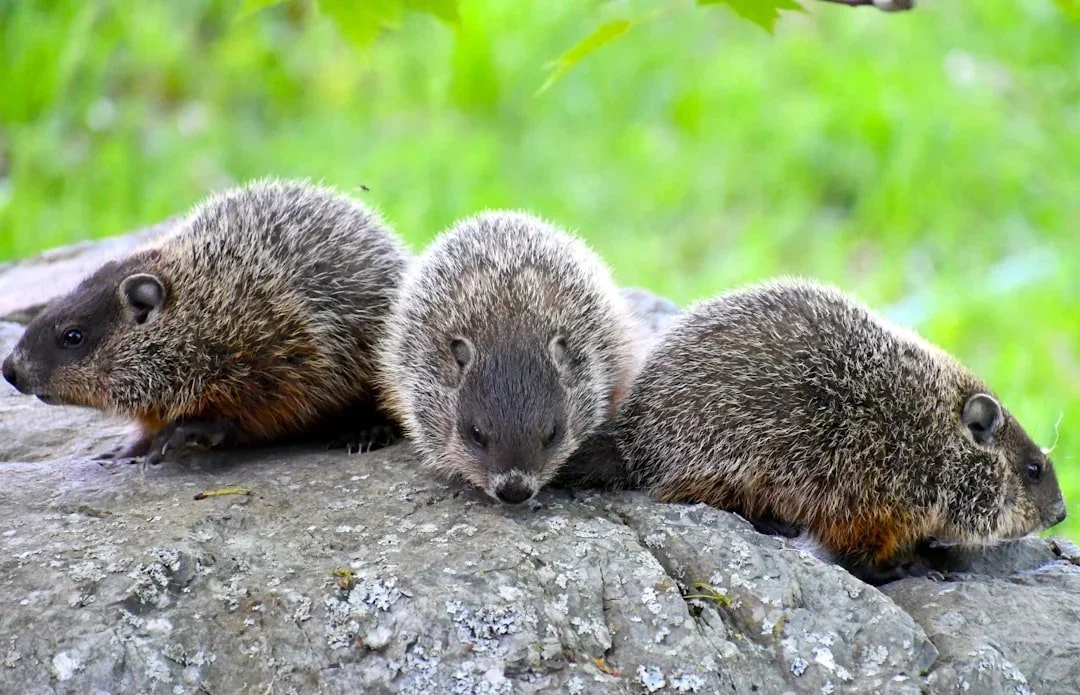
Groundhogs — also known as woodchucks and whistle pigs — are thriving throughout Danville and Pittsylvania County. While generally harmless animals, their burrowing habits create expensive problems when they settle near homes, decks, sheds, or foundations. If you're noticing burrow holes near structures, damage to gardens, or a groundhog repeatedly appearing around your yard, it may have established a den nearby.
Groundhogs prefer areas where open fields or yards meet wooded cover — which makes the Danville region ideal habitat. Properties with gardens, lawns, pastures, or landscaped areas often provide both food and shelter. Their burrow systems can be surprisingly large, including multiple chambers and exits. Common locations include under decks and porches, beneath sheds, along foundations, near retaining walls, under patios, and along fence lines. In many cases they choose locations where a structure provides overhead protection at the burrow entrance.
- Soil erosion around foundations
- Undermining of decks, patios, and shed footings
- Damage to gardens and landscaping
- Burrow expansion under walkways or driveways
- Abandoned groundhog burrows are often taken over by skunks, opossums, or foxes
Locate active burrow entrances, secondary exits, feeding areas, and structural risks. We specialize in targeted trapping — you're not paying to remove every critter on the block. No inspection fee for groundhog trapping jobs.
Targeted trapping that complies with Virginia wildlife regulations. Cellular camera monitoring available for remote check-ins and quick response when a capture occurs.
Once the animal is removed, burrow entrances are properly closed to prevent reoccupation by the same or another groundhog.
Areas that allowed burrowing can be reinforced with dig-resistant barriers — particularly important for decks and sheds where groundhogs return reliably.
- Install dig-resistant barriers around decks and sheds
- Maintain fencing around gardens
- Remove brush piles and dense cover near structures
- Monitor areas where soil is soft or recently disturbed
- Early intervention is the most effective prevention — groundhogs return to reliable den sites
Groundhog burrowing near your home or garden?
Addressing it early prevents additional digging and property damage — and stops the burrow from becoming a permanent fixture taken over by other animals.
Schedule Service Contact Us