
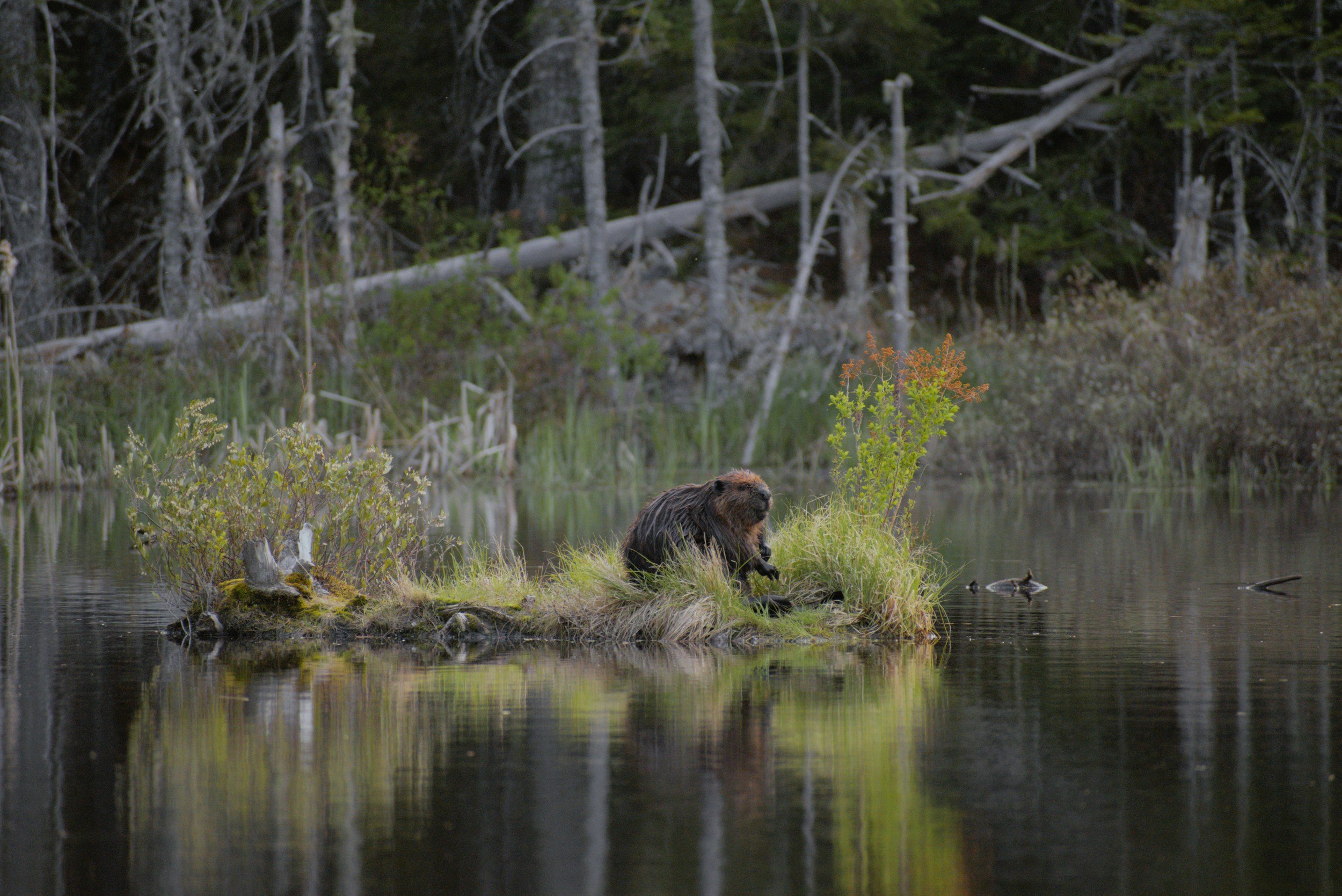
Beaver Removal in Hardy, VA
Beaver activity is consistent around Hardy and the Smith Mountain Lake communities in Bedford County, occurring at the lake itself and at private ponds, drainage creeks, and water features throughout the area. Beavers establish wherever water is consistent — the lake provides prime habitat, but any private pond or drainage feature on a Hardy property can attract them.
Freshly cut trees near water, dock activity, bank dens in riprap or a pond berm, or rising water near a drainage feature are the most common first signs. Animal Dispatch handles beaver removal throughout Hardy and Bedford County.
Hardy's position along Smith Mountain Lake provides lakefront beaver habitat, but the many private ponds, retention features, and drainage systems on Hardy properties away from the immediate shoreline also face beaver pressure. Beavers don't need direct lake access to establish — any consistent water on the property is a viable site. Seasonal vacancy throughout the Hardy lake community means beaver activity can progress substantially between visits. Tree felling, den construction, dock occupation, and pond outlet damming can all develop over an off-season. Inspecting both the shoreline and any inland water features on return each season is important.
- Loss of ornamental and shoreline trees near the lake and private ponds
- Bank dens in riprap shoreline and pond berms undermining structures
- Occupation of floating dock structures as lodges
- Dams in tributary creeks and private pond outlets altering drainage
- Gnaw damage to dock lumber, pilings, and boat lift components
We evaluate where beaver activity is occurring, locate lodges or bank dens, assess extent of tree and drainage damage, and identify structural risks to pond outlets, berms, and culverts.
Humane methods selected to comply with Virginia wildlife regulations and are appropriate to the specific water environment. Traps are monitored remotely by camera after placement — so you're not paying a visit fee just to check.
Where dams are blocking drainage or flooding land, we address the obstruction to restore proper water flow. Water flow control devices assessed where appropriate as a longer-term alternative.
Hardware cloth trunk guards on valued trees, monitoring of pond outlets and drainage features where beavers are likely to attempt rebuilding.
- Install hardware cloth or wire fencing around valued trees within 150 feet of any water — pond, ditch, or creek — at least 3 feet high
- Monitor pond outlets and drainage culverts regularly for early dam construction
- Remove brush and small saplings near the water's edge that provide easy food access
- Check pond berms and creek banks annually for bank den entrances
- Early detection of new activity prevents significantly larger and more expensive problems
Beaver problem in Hardy?
Early intervention prevents more significant tree loss, drainage damage, and structural problems. We inspect the area, explain the options, and handle it responsibly.
Schedule an Inspection — $75 Contact Us