
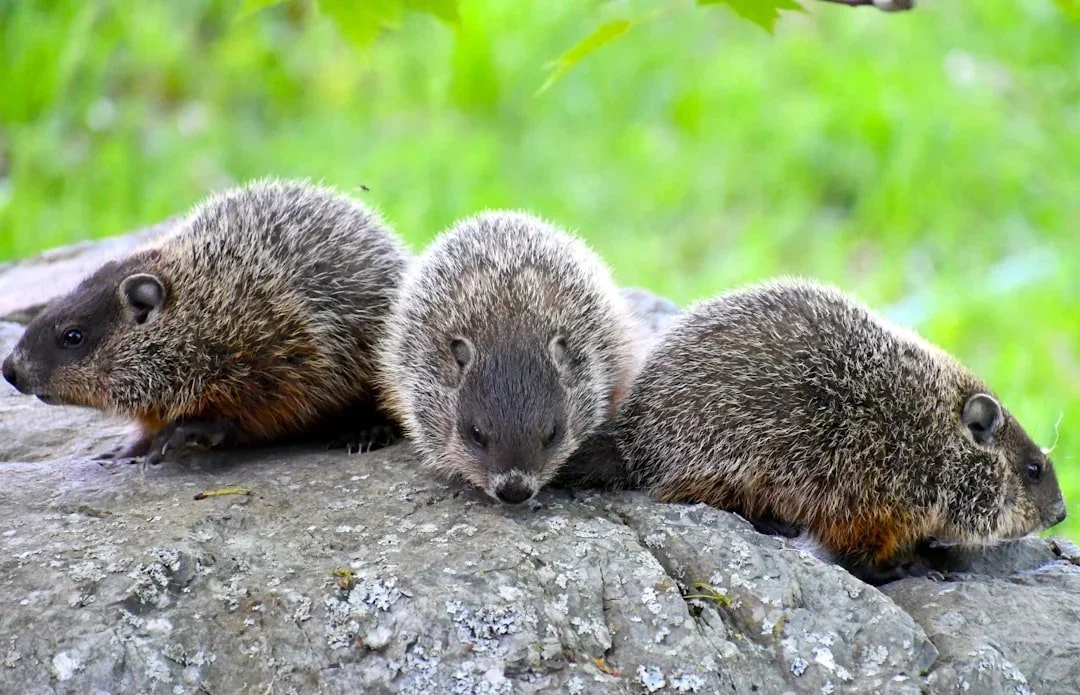
Groundhog Removal in Chatham, VA
Groundhogs are one of the most frequent nuisance wildlife complaints in Pittsylvania County. The farmland, open fields, and edge habitat throughout the county support large populations, and the mix of older homes, outbuildings, garden plots, and raised structures gives them plenty of places to burrow. Animal Dispatch is based in Gretna — this is our home territory — and we handle groundhog removal throughout the Chatham area regularly.
Trapping, exclusion barriers, and a 3-year guarantee on exclusion work. No inspection fee for groundhog removal.
Pittsylvania County's agricultural landscape — open fields, fence rows, pasture edges, and woodlots — is prime groundhog habitat. They live in the edge where open foraging areas meet brushy cover. Garden plots, flowerbeds, and vegetable rows draw them into residential yards. Once a groundhog establishes a burrow beneath a deck, shed, or outbuilding foundation, the excavation can extend well beneath the structure before any visible damage appears above ground. Being based in Gretna means we know the specific landscape patterns and housing stock of this county well.
Groundhog burrow systems are among the most extensive of any mammal in Virginia. A single animal can create a system exceeding 25 feet in length with multiple chambers — sleeping den, nursery, latrine area, and several escape exits. When that system runs beneath a deck, concrete slab, retaining wall, or foundation, the excavation removes soil that was supporting those structures. Settling, cracking, and moisture infiltration can all result from burrow systems that go unaddressed over multiple seasons. The time to deal with a groundhog problem is when it's found, not after the concrete shows movement.
We set live traps at active burrow entrances. No upfront inspection fee for groundhog removal — $225 setup gets the traps in the ground and the process started.
We return to check traps, remove captured animals, reset as needed, and assess whether additional trapping is required.
Once trapping is complete, a physical exclusion barrier is installed around the deck, shed, or structure to prevent re-entry. Backed by a 3-year guarantee.
We identify other vulnerable structures on the property and assess what attracts groundhogs — gardens, brush piles, nearby edge habitat.
- Install an exclusion barrier around raised decks and shed foundations before groundhogs establish — hardware cloth buried at least 12 inches down and angled outward
- Remove brush piles, dense vegetation, and debris near structures that provide cover
- Keep vegetable gardens fenced with buried mesh at the perimeter
- Fill in abandoned burrow entrances promptly — empty tunnels attract new animals
- Inspect the perimeter of decks, sheds, and foundation walls each spring for fresh excavation
Groundhog problem in Chatham?
Burrow systems grow over time and the structural risk increases with every season. No inspection fee to get started.
Schedule Trap Setup — No Inspection Fee Contact Us