
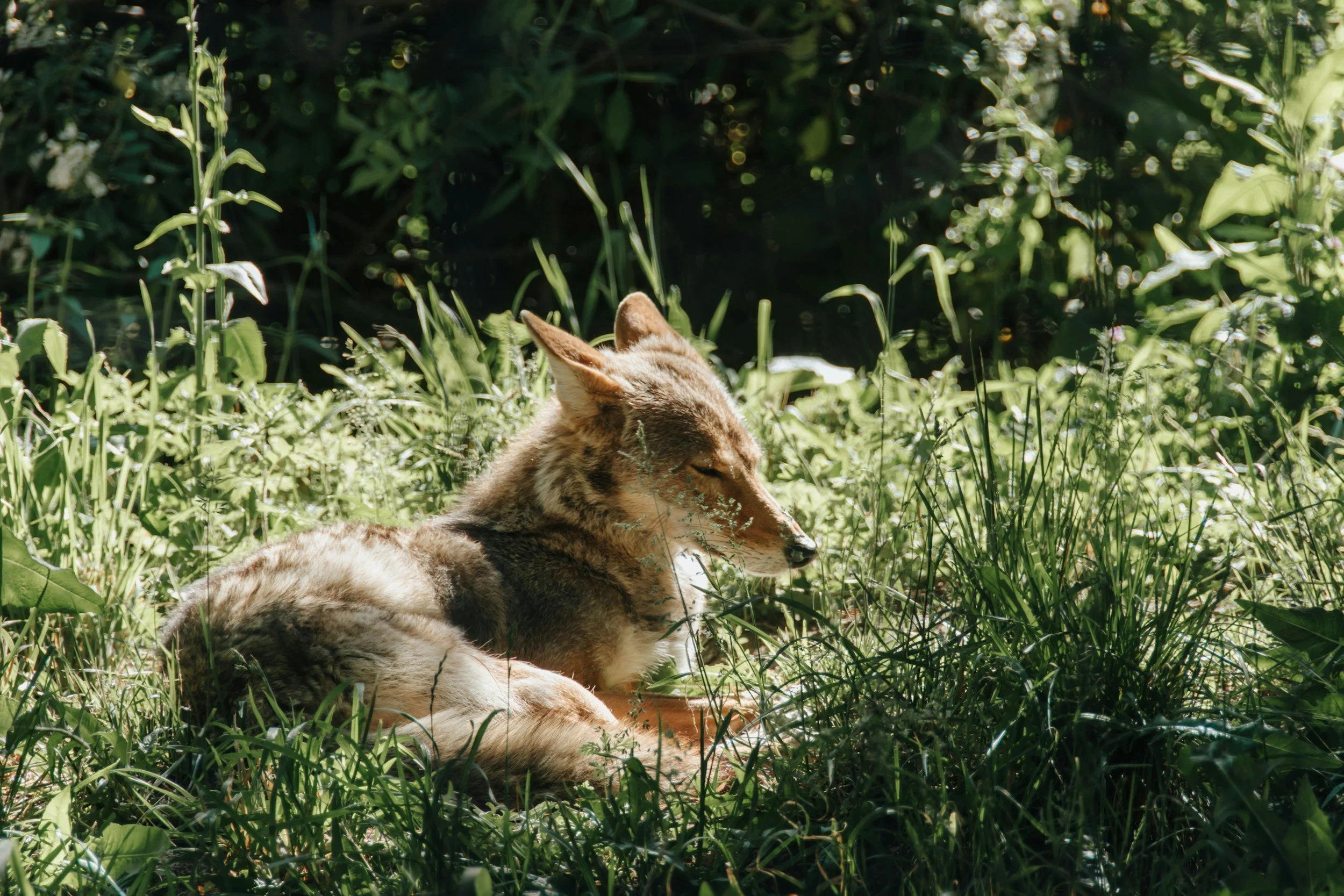
Coyote Removal at Smith Mountain Lake, Va
Coyote Removal in Smith Mountain Lake, VA
Coyotes are present throughout the Smith Mountain Lake area, moving along the wooded shoreline corridors, tributary creek drainages, and the mix of developed and natural land surrounding the lake. Their primary conflicts involve outdoor pet safety on large wooded lake lots and poultry predation on rural properties adjacent to the lake community. Seasonal vacancy means coyote activity near a property can go unmonitored for weeks at a time.
Animal Dispatch handles coyote removal throughout the Smith Mountain Lake communities.
Coyotes follow scent trails and established routes. Trapping without identifying what drew them to the property — and removing it — rarely produces a lasting result. Our approach starts with understanding the specific situation before selecting a tool.
Smith Mountain Lake's wooded shoreline, tributary creek network, and mix of full-time and seasonal properties give coyotes consistent habitat throughout the lake community. They are primarily active at night and their movement through wooded lots typically goes undetected until a pet encounter or poultry predation event brings them to attention. Seasonal properties are particularly vulnerable — coyotes establish travel routes and feeding patterns around a property during vacant periods, and those patterns persist when owners return. Identifying specific travel routes and attractants is the foundation of effective coyote management in this environment.
Full property and perimeter assessment — tracks, scat, travel routes, den sites, livestock and poultry exposure, and attractants. Trail camera setup if activity confirmation is needed before committing to a management approach.
When coyotes aren't actively denning nearby or acting aggressively, deterrence — motion lighting, scent stations, audio deterrents, attractant removal — is often enough. Coyotes are intelligent and responsive to environmental changes.
Used when deterrence is insufficient or when coyotes are actively denning near the property. Camera-monitored traps ensure fast response. Pup presence requires careful timing — all family members must be addressed before the den can be closed.
Livestock and poultry enclosure assessment, perimeter fencing where warranted, and den closure once all animals are confirmed out. Removing the attractant is as important as removing the coyote.
- Secure poultry with hardware cloth — not chicken wire — on all sides including the bottom; coyotes dig and squeeze through gaps
- Bring small pets inside overnight — cats and small dogs left outside unsupervised near wooded edges face real risk
- Remove outdoor pet food, fallen fruit, garbage, and compost access overnight — reliable food sources are the primary coyote attractant
- Haze coyotes that approach too closely — loud noises, direct eye contact, assertive body language — to reinforce their natural wariness of people
- Block ground-level access beneath sheds and outbuildings before spring to prevent denning
- Never intentionally feed coyotes — habituation to human food sources is the most common driver of escalating coyote conflict
Coyote problem in Smith Mountain Lake?
Poultry loss, pet safety concerns, or a den too close to the house — we assess what's drawing coyotes to the property and build a plan that actually addresses it.
Schedule an Inspection — $75 Contact Us