Bat Removal in Appomattox, VA

Humane bat exclusion for Appomattox, Pamplin, Spout Spring, Evergreen & Appomattox County

Bat colonies are common in Appomattox County, where older homes, barns, and structures near wooded and agricultural land provide the warm, sheltered roosting environments bats prefer. Bats don't chew or pry — they enter through existing gaps as small as 3/8 of an inch. Ridge vents, gable vents, deteriorated soffits, and gaps where rooflines meet siding are the most common entry points.

Many Appomattox homeowners aren't aware they have a bat colony until guano accumulates or a bat appears inside the living area during seasonal transitions. Animal Dispatch is NWCOA Bat Standards certified and handles bat removal in Appomattox with proper timing, technique, and full exclusion.

Don't throw money at it. Throw Animal Dispatch at it.
NWCOA Bat Standards Certified — Bat removal is not general wildlife work. It requires specific knowledge of bat biology, Virginia wildlife regulations, and exclusion techniques that comply with federal protections. Devon Davis holds NWCOA Bat Standards certification — one of the few operators in South-Central Virginia with this credential.
Timing matters — exclusion cannot be done at any time of year. During the non-volant period (roughly late May through mid-July), bat pups cannot fly. Sealing them in is illegal and inhumane. Safe exclusion windows in Virginia are approximately March through mid-May and mid-August through October. An inspection confirms colony status and the right timing for your situation.
Why Appomattox homes attract bat colonies
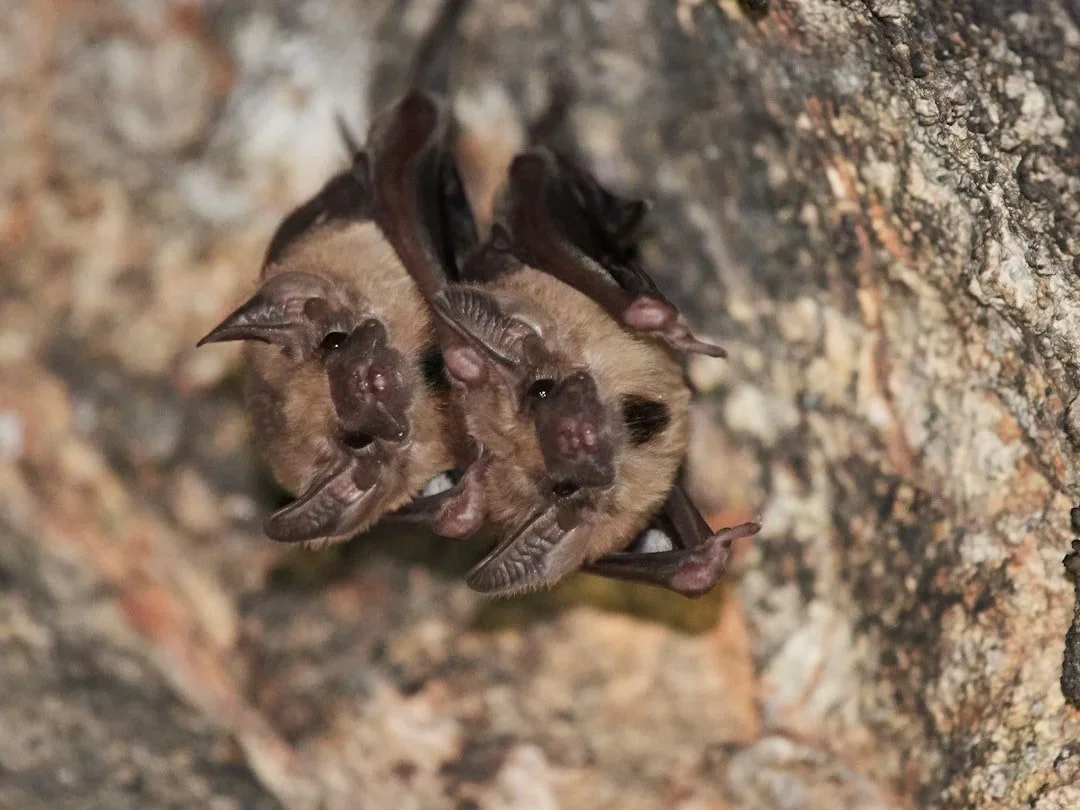
Appomattox County's mix of farmland, timber, creeks, and older structures creates ideal bat habitat. Insects are abundant near agricultural land and water, which supports large foraging populations. Outbuildings, barns, and older homes throughout the county often have the small, consistent gaps bat colonies need. Little Brown Bats and Big Brown Bats — the two most common species in Virginia homes — form summer maternity colonies in attic spaces where warmth accelerates pup development. Big Brown Bats are also more cold-tolerant and may overwinter in structures.
Signs of Bats in Your Appomattox Home
Faint ticking or rustling at duskBats repositioning themselves before emerging. Very subtle compared to squirrel or raccoon sounds — many homeowners mistake this for insects.
Bats exiting at a consistent pointWatch the roofline just after sunset. A colony exits from the same gap every night in a steady, predictable pattern.
Dark smudge marksOily staining around small gaps where bats repeatedly brush against the surface. Often the clearest exterior indicator of an active entry point.
Guano accumulationSmall, dry, crumbly droppings that break into shiny insect-fragment pieces when crushed. Often found below exterior entry points or inside beneath roost beams.
Ammonia odorIn larger colonies, guano accumulation produces a strong ammonia smell in the attic or from vents. This indicates an established, long-term roost.
Bat inside living spaceIndividual bats occasionally enter homes through interior gaps during seasonal transitions. A single bat inside suggests bats are in or around the structure.
Our Bat Removal Process
1
Inspection — $75

We inspect the roofline, vents, soffits, and all transition zones for entry points, smudge marks, guano, and colony indicators. We assess colony size, status, and whether the timing is appropriate for exclusion work.

2
One-Way Exclusion

A one-way exclusion device is installed at the primary entry point. Bats can exit normally but cannot re-enter. All secondary gaps are sealed simultaneously so the colony cannot shift entry points.

3
Confirm Colony Has Left

The exclusion device stays in place until we confirm the colony has fully vacated — typically several days to several weeks depending on colony size and timing.

4
Final Sealing — 3-Year Guarantee

The primary entry point is permanently sealed once the colony is confirmed absent. All work is backed by a 3-year guarantee — if bats re-enter through a point we sealed, we return.

Frequently Asked Questions
No. Bats cannot legally be trapped or harmed. The only legal and humane method of removal is exclusion — a one-way device installed at the primary entry point that allows bats to exit but not re-enter, followed by full sealing of all other gaps. This must be timed correctly to avoid trapping non-volant pups inside.
Bat droppings are dry and crumbly, breaking into shiny fragments of insect exoskeleton when crushed. Mouse droppings are solid. Bats are also strictly nocturnal — activity starting at dusk. They produce faint ticking or soft rustling, not the scratching and gnawing sounds mice make. Bats do not chew wiring or building materials.
In Virginia, bat exclusion should be done outside the maternity season — the safest windows are roughly March through mid-May, and mid-August through October. During the non-volant period (late May through mid-July), pups cannot fly, and exclusion can trap them inside. An inspection helps determine exact timing based on colony status.
Prevention Tips for Appomattox Homeowners
  • Screen ridge vents and gable vents with hardware cloth — standard screen mesh is not fine enough
  • Caulk gaps where rooflines meet siding or chimneys
  • Inspect soffits for deteriorated areas annually
  • Watch your roofline just after sunset — bats exiting from the same spot every night indicates an active roost
  • Address any soffit or fascia repairs before spring — bat colonies return to the same sites year after year

Bat problem in Appomattox?

Timing is everything with bat work. An inspection determines colony status and whether conditions are right for exclusion now or at the next available window.

Schedule an Inspection — $75 Contact Us